
Life
Black in Cuba
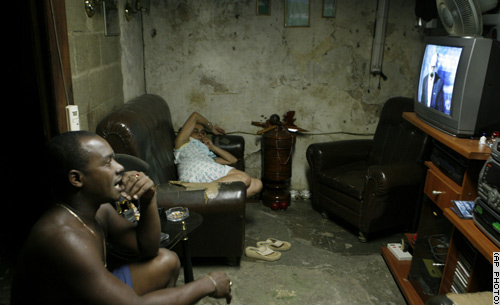
In recent years, a new attitude has been emerging quietly, almost secretly, among Afro Cubans on what it means to be black in a communist system that maintains ‘‘No hay racismo aquí” — there’s no racism here — and tends to brand those who raise the issue of race as enemies of the revolution.
“The absence of the debate on the racial problem already threatens the revolution’s social project,” wrote Esteban Morales Domínguez, a University of Havana professor who is black, in one of his several little-known papers on race since 2005.
In another paper, he noted that “much of the research that has been done on the subject in general has been put away in drawers, endlessly waiting to be published.” Black filmmaker Rigoberto López also broached the sensitive topic in a TV appearance in December, saying that while the revolution had brought about structural changes toward racial equality, “its results do not allow us to affirm that its goals have been achieved in all their dimensions.”
‘A New Momentum’
Afro Cubans familiar with the situation say black and white Cubans also have been establishing a small but growing number of civil rights-type groups. The government has not cracked down on such usually illegal activities, but neither has it officially recognized them.
“There is a new momentum, which the government is surely frightened by,” said Carlos Moore, a Cuban-born expert on race issues now living in Brazil.
In recent years, the Castro government has been on the defensive on the race question. In last year’s book 100 Hours With Fidel by French-Spanish journalist Ignacio Ramonet, Castro admitted that while the revolution had brought progress for women and Afro Cubans, discrimination endures.
“Afro Cubans do not live in the best homes; they’re still . . . performing hard jobs, sometimes less-remunerated jobs, and fewer blacks receive family remittances in foreign currency than their white compatriots,” he said.
