
Business
Who Will Succeed in the Crowded Field of Africa’s Online and Mobile Music Platforms?
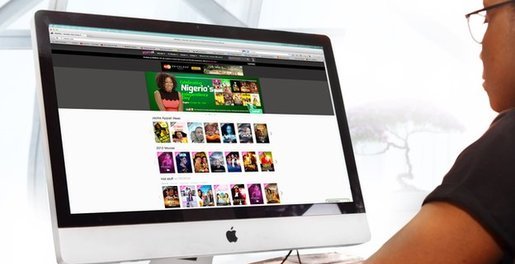
There are well over 100 runners in the race to succeed as Africa’s best and biggest online and mobile music platform. Even now there are new entrants waiting in the wings.
Only a few weeks ago a Malawian music platform called Mvelani (meaning “listen” in local language, Chichewa) developed by Dumisani Kapanga launched to distribute and sell music from southern Africa. It has around 1,000 tracks from over 80 artists.
It is relatively easy to set up a music platform but actually finding a business model is much tougher. Kapanga has not yet worked out what he would charge for tracks, however, he will. Also, he does not live in Malawi but, is based in Scotland.
“I am surprised the idea has not been tried already, but I am delighted with its success so far. The site already hosts the biggest concentration of Malawi music in the same place online and interest from artists wishing to add their tracks is growing. It is my dream to cultivate the site into the largest music catalog of its type and to have every song recorded or produced from southern African artists available for download or streaming online and on mobile,” says Kapanga.
On the other end of the starting line is a mobile operator in Nigeria who is working with an international content aggregator to launch its own music service. It has the advantage of already having a large subscriber base but probably does not yet have local music expertise required for a demanding market like Nigeria. Money will fix some of that content expertise shortfall but will it be enough?
The sheer number of online music platforms has come about because of two things. Firstly, in order to launch a music platform in a country, you actually need to know the artists and their current and back catalog. Few mobile operators have that kind of expertise on call. Even the managers of those who provide music services to mobile operators do not know many of the names of the artists in their catalog: they leave that to those who they employ locally who are often better informed.
Secondly, musicians have found themselves losing income: whatever piracy managed to do, the steady decline of CDs on sale is finishing.
Young Africans download and exchange movies and music on USB sticks. So musicians were much more willing to participate when the new music platforms came knocking.
So at this stage it is as the Dadaists used to say: “Everyone their own football.”
