
Business
The African Woman: An Evolving Enigma
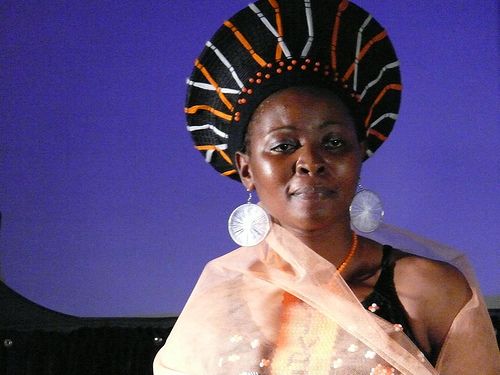
The African woman has always been a mother and a keeper of the house, but she was nothing more other than ‘maker’ of children. Largely stereotyped and overlooked, she was never considered for what she could contribute to an economy. The widely held African belief of women being inferior to men lingered until recently, and the African economy has been better for it.
Gardiol van Niekerk of the University of South Africa once wrote; “the outcomes of historical research are to some extent a reflection of the researcher’s perceptions of historical events”. While many grew up believing that women were not a force in times past, historical records point to the fact that women have always held important roles throughout African civilization, they are, in fact, an integral part of African history. The innate tendency of women to nurture and take care of their own has made them loyal citizens of in various communities, going an extra mile to ensure the sustenance of such communities.
From traditional Queen Mothers like Yaa Asantewa of Ghana to the Queens of Ethiopia and political leaders like former Senegalese Prime Minister, Mame Madior Boye, African women leaders have fought hard to defend the rights of their people and to facilitate development. Yaa Asantewa, the Ghanaian Queen mother of Ejisu could not watch her people suffer in the hands of British colonists. She fought for the protection of her people and their land against the British. Although she was exiled to Seychelles as a result, her people had already been inspired to stand their ground: the Asante army fought for the protection of their land and the Asante kingdom prevailed.
I was also amazed to see in the history books that Kano, Nigeria once had a queen. I doubt you’d believe it too. But, a woman from 1580-1582 ruled Kano. Furthermore, Angola’s Queen Ann Nzingha fought against armed Portuguese forces throughout her life for freedom of her people until she died at the age of 81.
Queen Nefertiti of Egypt also fought in active battle against foreign invaders and was quite influential in her times. Mauritanian freedom fighter Dahia Al-Kahina chased Arab invaders off their land in the battles of 690 AD. She led an army and showed courage in defeat, taking her own life rather than succumb to the enemy.
Mbuya Nehanda of Zimbabwe, Empress Delete Rufael of Ethiopia (1724), and Queen Mother Ndlorukazi Nandi of the Zulu Kingdom of South Africa (1815-1827) are other examples of women who have led their people with courage and pride. Sadly, their heroics seem to be fading off despite its pertinence in African history. The story of the African woman is similar to the hard working employee who never gets enough appreciation.
Women rights activists did their best in ensuring women enshrine gender equity within African societies, but activism was never as effective as results in Africa. When women stood up to show what they are capable of: excelling in academics, business, politics and other areas of life, their excellence started washing off the stereotype. Now, Africa is warming up to gender equity and tapping from this overflowing resource.
