
Business
Nigeria looking to diversify exports in the wake of plunging oil prices
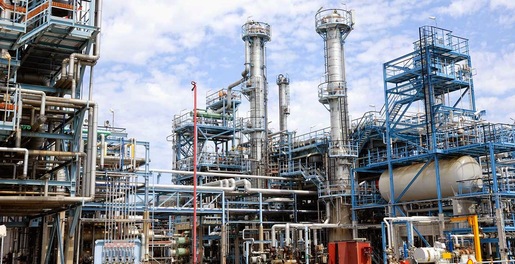
Nigeria is working to diversify its exports and has identified 13 exportable products to reduce dependence on oil and gas.
The Buhari administration has also introduced additional taxes to rake in revenue to sustain the US$39 billion 2016 budget. Revenues have been seriously affected by the sharp slump in the global price of crude oil.
A stamp duty of US$0.17 has been introduced on all amounts above US$5 remitted to a third party through the bank. All commercial banks have been directed to immediately implement the new measure. Only monies designated as salaries and wages and transfers to self-accounts are exempted.
The federal government is also working out an increase in Value Added Tax (VAT) on some luxury goods.
The slump in the price of crude oil to below US$30 per barrel will adversely affect the federal budget which was predicated on a benchmark of US$35 per barrel.
The commodities the federal government has listed to reduce Nigeria’s dependence on crude oil exports have been classified as National Strategic Export Products (NSEP) by the Nigerian Export Promotion Council (NEPC).
According to Olusegun Awolowo, the executive director of the council, the products were to shore up the country’s foreign exchange earnings. The products are grouped into 3 categories: – agro-industrial; mining-related products and oil & gas industrial products.
They include palm oil, cocoa, sugar, rice, cashew, cement, iron ore/metals, auto parts and aluminum. Others are fertilizer, urea, petrochemicals and menthol. According to Awolowo, the council would promote choice of products, market specialization, improvement on quality, increase in quantity produced and market segmentation.
A former senior aide to ex-President Goodluck Jonathan, Doyin Okukpe, on Monday expressed worries over the precarious state of the economy, particularly as it relates to crude oil production and sale. Okukpe said the volatility of oil prices was threatening the stability of the Nigerian economy and charged that the administration of President Muhammadu Buhari had failed to come to grips with the grim situation.
“For a country like Nigeria it becomes more crucial in view of the fact that close to 70 percent of federal government revenue comes from sale of crude oil. I believe the government must re-adjust the budget immediately. Recurrent expenditure must be reduced by 50 percent minimum, while the capital expenditure is reviewed to focus mainly on projects that will directly impact on production and export driven initiatives.”
