
Business
Nigeria faces involuntary oil output cuts
Nigeria moves towards production cuts as a result of a lack of local storage and inability to sell cargoes
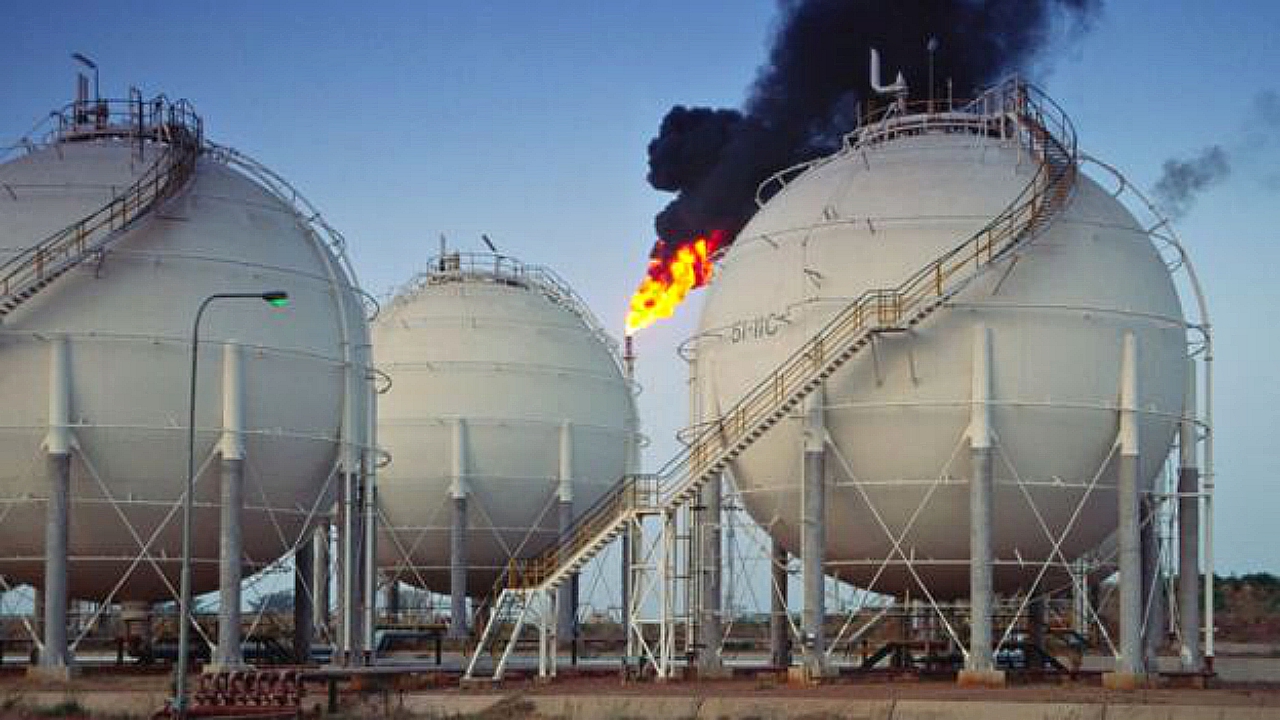
Nigeria is moving towards production cuts as a result of a lack of local storage and inability to sell cargoes.
Nigeria National Petroleum Corporation (NNPC)’s chief executive officer Mele Kyari acknowledged the country’s problems in an interview with local newspaper Premium Times.
“We have to cut down, whether with or without OPEC output cut deal. We have to reduce our oil production level because we do not have anywhere to take the oil to – till the situation improves. The impact of the crisis is global and not on Nigeria alone,” Kyari was reported as saying.
The NNPC head put Nigeria’s production at approaching 2.44 million barrels per day. According to OPEC, the country produced 1.85 million barrels per day (bpd) in March, with condensate volumes on top of this thought to be 350,000-450,000 bpd.
Nigeria is in a worse spot than South West African neighbor Angola, OilX’s CEO Florian Thaler said, noting that some April cargoes remain unsold as the month comes to an end. This is despite a dramatic drop in prices.
Nigeria revised its budget in March in response to price falls, cutting its expectation from US$57 per barrel and 2.3 million bpd of production to US$30 and 1.42 million bpd.
Data from OilX show Nigeria’s relative selling pace for April cargoes at the bottom of the 12-month average. Typically at this point, around 40 percent of cargoes are sold but the rate of sales for May’s cargoes are less than 10 percent.
Angola has also seen its selling pace slow, OilX shows. The 12-month average rate of selling at this point in the month has around 85% sold but less than 60 percent of May cargoes have transacted.
Research from IHS Markit at the end of March forecast Nigeria had storage capacity for only 1.5 days of production, based on 1.9 million bpd of output. Angola is marginally better placed, with 3.9 days of storage.
Kyari, in his comments to Premium Times, predicted consumption would pick up in May as countries ease lockdown restrictions. Once this occurs, storage availability would increase and prices rebound.
Energy Voice © Copyright 2020
