
Life
Namibia achieves significant strides in eradicating mother-to-child transmission of HIV
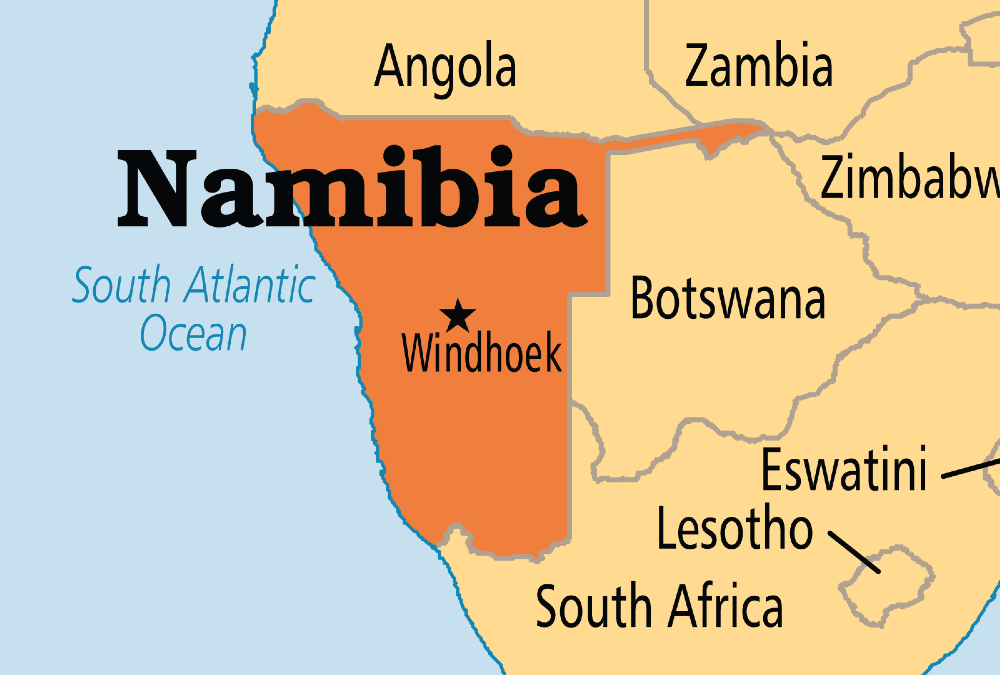
Namibia has achieved a significant milestone in the fight against the transmission of HIV and viral hepatitis B, making it the pioneer in Africa and the first high-burden nation globally to reach this crucial goal, as announced by the World Health Organization (WHO) on Monday.
With eastern and southern Africa bearing over half of the world’s HIV burden and accounting for the majority of new hepatitis B infections worldwide, the significance of Namibia’s achievement is profound. The country, hosting over 200,000 people living with HIV, especially emphasizes its impact on women, who are disproportionately affected by new infections.
UNAIDS Regional Director for East and Southern Africa, Anne Githuku-Shongwe, highlighted the disparity in treatment access between children and adults in many nations, praising Namibia’s commitment to ensuring that no child is left behind. She hailed Namibia as a guiding light for the entire region in combating this injustice.
Namibia’s success story is attributed to the widespread availability of HIV testing among pregnant women and improved access to treatment, resulting in a remarkable 70 percent reduction in vertical transmission over the past two decades. In 2022, only 4 percent of babies born to HIV-positive mothers contracted the virus, showcasing substantial progress. Additionally, nearly 80 percent of infants received timely hepatitis B vaccination, a critical indicator of success in the elimination effort.
Namibia’s healthcare system has integrated primary healthcare with antenatal, child health, and sexual and reproductive health services, ensuring widespread access to free clinical services and support. The WHO has recognized Namibia’s achievements by awarding it “silver tier” status for progress in reducing hepatitis B transmission and “bronze tier” for progress in HIV prevention.
Dr. Matshidiso Moeti, WHO Regional Director for Africa, hailed Namibia’s accomplishment as a landmark achievement resulting from dedicated political leadership and effective implementation of public health priorities. The WHO’s Triple Elimination Initiative, targeting the transmission of hepatitis B, HIV, and syphilis, aims to protect the health of mothers and children while upholding every child’s right to be born free from the burden of these viruses.
