
News
Mugabe’s failing health unsettles Zimbabwe politics
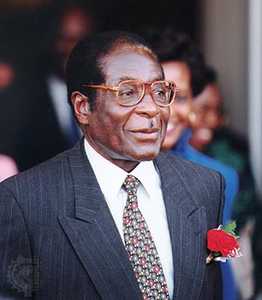
(Reuters) – President Robert Mugabe’s failing health has likely forced his Zimbabwe African National Union – Patriotic Front (ZANU-PF) party to press for early elections in Zimbabwe and accelerate a plan compelling foreign firms to surrender majority shareholdings, but it has not so far loosened his grip on power.
While factions within ZANU-PF are battling to take over from Mugabe, the 87-year-old leader is still the only figure who can unite the party and has so distanced himself from possible successors that no direct challenger has emerged.
In any case, ZANU-PF would be hard pressed in elections, that must be held by 2013 but which could come next year, if it fielded a candidate other than Mugabe, who has been in power since Zimbabwe gained independence from Britain in 1980.
But Mugabe has slowed down, diplomats have said. His meetings are fewer while his visits to Singapore for medical checks have increased.
Over the past few years, he is thought to have spent several weeks abroad for treatment, described as routine and for maladies such as eye trouble by official media. But talk in Zimbabwe of Mugabe’s deteriorating health is taboo and harshly punished.
A June 2008 U.S. diplomatic cable released by WikiLeaks last month said Mugabe has prostate cancer that has spread to other organs. He was urged by his physician to step down in 2008 but has stayed in the job.
In the cable written by James D. McGee, the former U.S. ambassador in Harare, Zimbabwe’s Central Bank governor Gideon Gono was cited as saying the cancer could lead to Mugabe’s death in three to five years.
