
Business
Kenya: Mobile money transfers up by $2.5 billion in 9 months
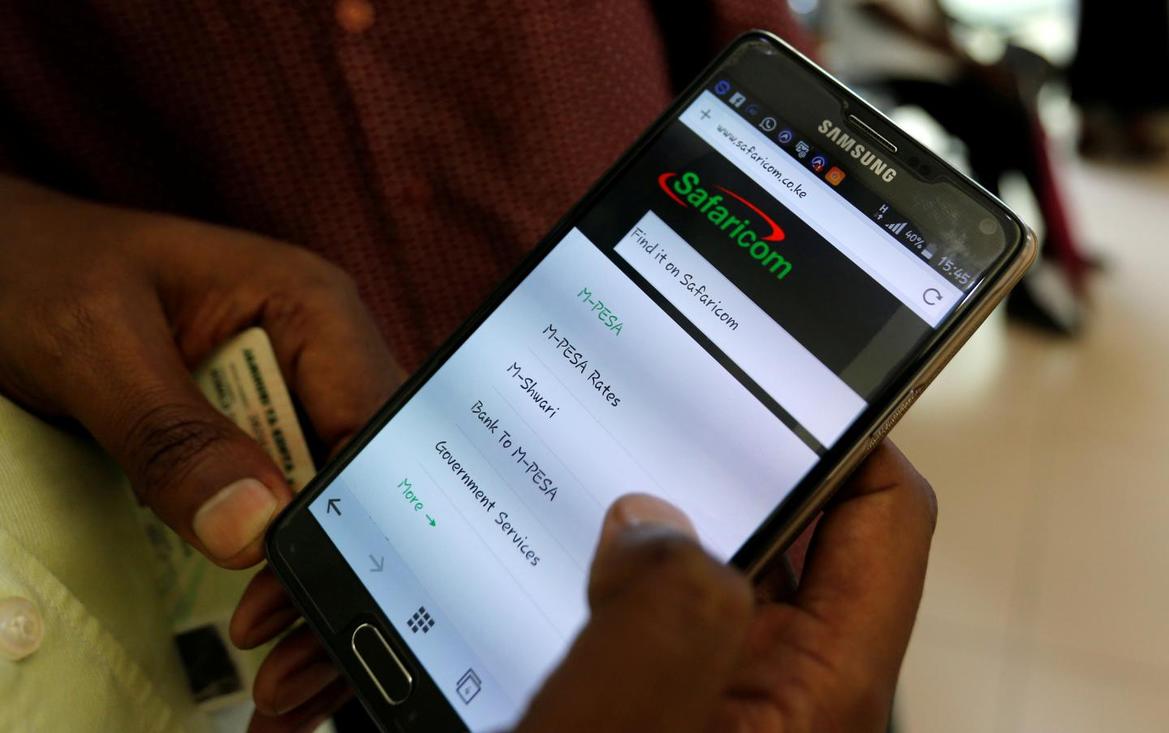
Mobile money transactions grew by Ksh252.39 billion (US$2.45 billion) in the 9 months through September compared with a similar period in 2016, latest Central Bank of Kenya data shows.
Payments hit nearly Ksh2.71 trillion (US$26.3 billion) in the period – a 10.16 percent rise over Ksh2.46 trillion (US$23.9 billion) moved a year earlier, underlining e-commerce growth in the country.
About Ksh300.92 billion (US$2.92 billion) was moved in September, a recovery from August, which had posted the biggest month-on-month drop this year at 7.3 percent to Ksh286.34 billion (US$2.78 billion).
Companies and individuals have embraced mobile money payments—where Kenya is a world leader due to enhanced efficiency—compared to plastic cards whose growth has been nearly flat.
The value of cards’ payments in the January to September period stood at close to Ksh1.04 trillion (US$10.09 billion), largely unchanged from Ksh1.05 trillion (US$10.19 billion) moved a year earlier.
Kenya’s central bank does not usually comment on changes in the value of national payments system in its monthly updates.
The country’s 6 mobile money companies operated 35.537 million accounts in September compared with 34.178 million accounts in June, the data shows.
Agents who facilitate the transactions rose to 167,775 from 165,109 in the period.
The mobile money platforms are Safaricom’s M-Pesa; Airtel Money; Telkom Money; Equity Group’s Equitel; Tangaza and MobiKash.
The M-Pesa platform dominates the market with a share of 74.17 percent going by value of transactions as at June, latest data from Communications Authority of Kenya shows.
“M-Pesa and similar digital financial services represent a significant improvement in the national payments technology, reducing transaction costs and lowering the barriers to entry into the formal financial system,” former central bank overnor Njuguna Ndung’u wrote in a policy paper published in July.
Analysts at Citi warned in a report end-October that revenue from M-Pesa, a key driver of growth in Safaricom’s earnings, was likely to be threatened by inter-bank payment system and a 35 percent tax on gaming firms which takes effect in January.
PesaLink, the inter-bank platform owned by Kenya Bankers Association, had moved about Ksh15 billion (US$146 million) in mid-October following its launch in February.
“We think M-Pesa’s growth going forward will be somewhat challenged by the banks, which are taking share in faster growing mobile-payments,” said the Citi analysts.
Source: Business Daily
