
News
Judge rules stop and frisk policy unconstitutional
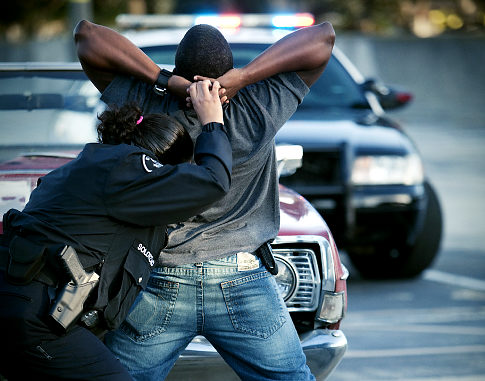
He noted landlords had requested extra police protection, and he compared it to Manhattan doormen “who routinely challenge visitors to their apartment buildings.
“Through ‘Clean Halls,’ the police have worked to provide a modicum of safety for less prosperous tenants,” Kelly said.
Donna Lieberman, executive director of the New York Civil Liberties Union, called the ruling “a major step toward dismantling the NYPD’s stop-and-frisk regime.” She said Operation Clean Halls “has placed New Yorkers, mostly African American and Latinos, under siege in their own homes in thousands of apartment buildings.”
The rulings came in a lawsuit brought by African American and Latino residents who said police have a widespread practice of making unlawful stops on suspicion of trespass outside Bronx buildings. The ruling is an interim order before a trial on the lawsuit. The judge said her remedial proposals also will apply to another lawsuit that more broadly challenges stop-and-frisk practices.
It is not enough for a police officer to have a non-specific suspicion or hunch about a person to perform a stop and frisk, Scheindlin said. The plaintiffs have said the stops left them feeling violated, disrespected, angry and defenseless, she noted.
“The evidence of numerous unlawful stops at the hearing strengthens the conclusion that the NYPD’s inaccurate training has taught officers the following lesson: stop and question first, develop suspicions later,” Scheindlin said.
She said she was not ordering the abolition or even a reduction of the program because it appears to be a valuable way to use police resources to enhance security in private buildings.
The case Scheindlin ruled on is the narrowest of three challenging stop-and-frisk policies. It deals with legal issues raised after the city first adopted a stop and frisk law in 1964 that allows police to stop, question and sometimes frisk people they think might be doing something criminal, even if officers’ suspicions don’t meet the probable-cause standard for an arrest.
Copyright 2013 The Associated Press
