
News
Holness hails free movement, Haiti gains in final CARICOM address
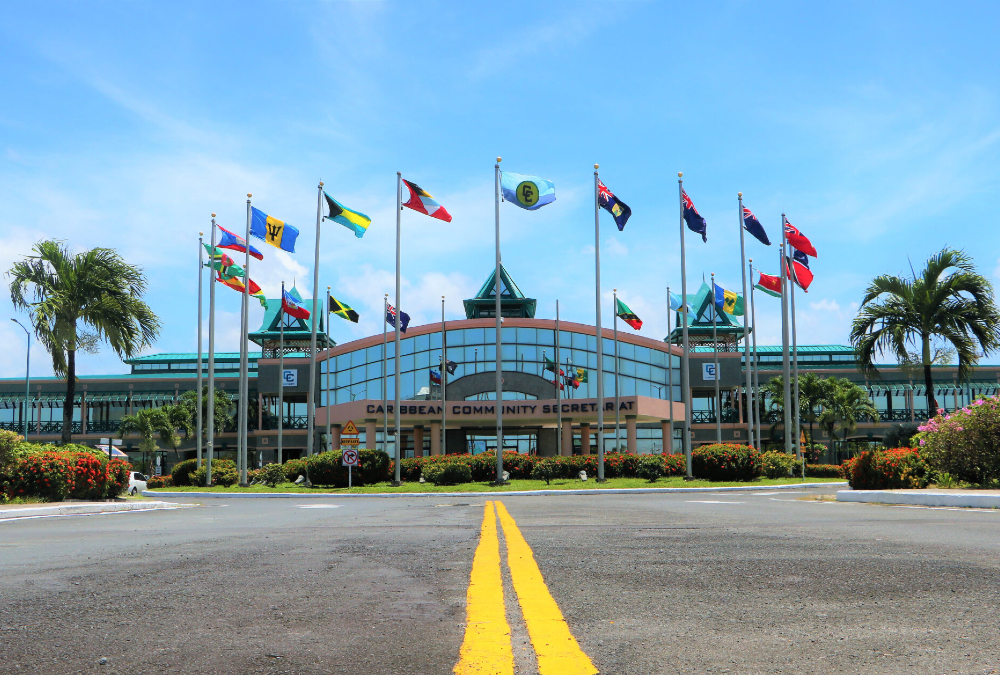
In his final address as chair of the Caribbean Community (CARICOM), Jamaica’s Prime Minister Andrew Holness cited expanded free movement and sustained progress on Haiti as signature achievements of his tenure, which concludes this month.
Holness, speaking from the CARICOM Secretariat in Guyana, framed 2025 as a test of regional resilience. He pointed to the coordinated response to Hurricane Melissa as evidence of practical solidarity.
Key advancements under Jamaica’s leadership included a new “concentric circles” model for integration. Barbados, Belize, Dominica, and St. Vincent & the Grenadines implemented full free movement among their citizens in October, a framework designed for other members to join.
On security, the bloc adopted the Montego Bay Declaration on Transnational Organized Crime, affirming that “security and development are inseparable.” Holness also highlighted unified CARICOM advocacy at global forums, though noted climate outcomes at COP30 remained inadequate for vulnerable states.
Regarding Haiti, Holness stated sustained regional diplomacy was instrumental in securing a UN Security Council resolution for a gang suppression force. CARICOM is now a central partner in coordinating an OAS roadmap toward 2026 elections.
Holness warned the region must navigate a volatile geopolitical climate with “clarity, cohesion and strategic discipline.” He hands the chairmanship to St. Kitts & Nevis in January.
