
Business
Jamaican PM urges investors not to give up on CARICOM as exports decrease and imports increase
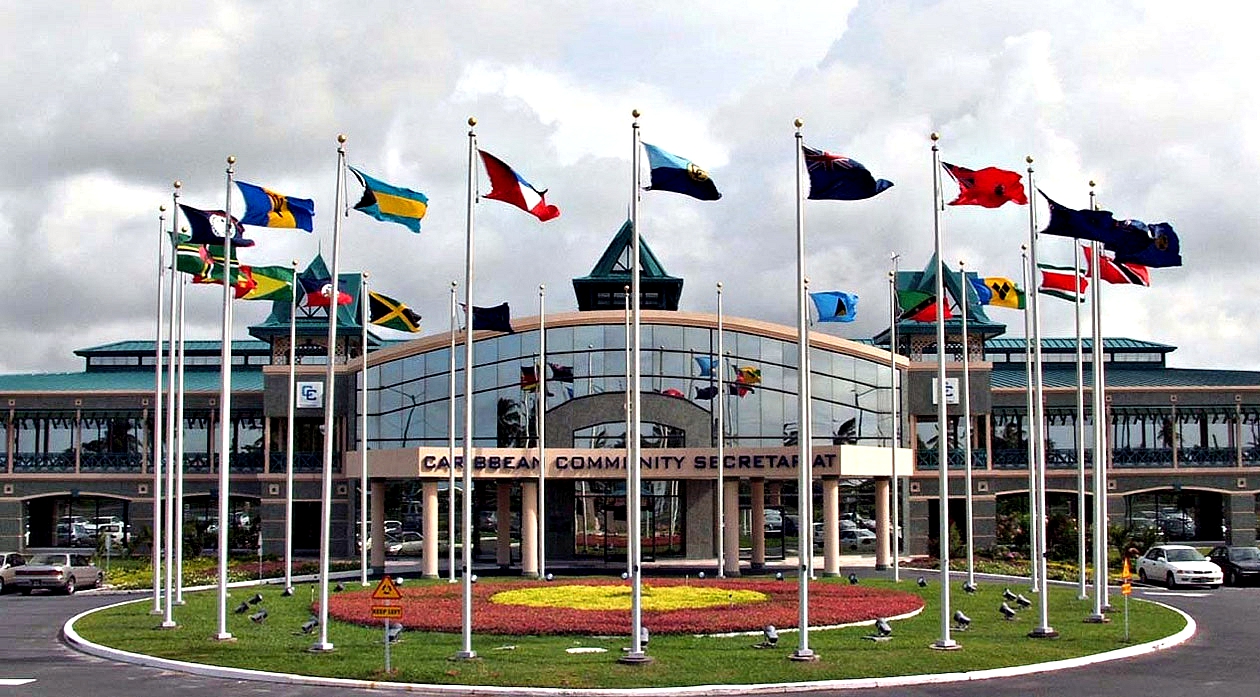
The Jamaican government has said it would support investors in their quest to penetrate the Caribbean Community (CARICOM) market, which it said “sometimes can be a more difficult market than exporting to Nigeria and Mauritius.”
The country’s prime minister Andrew Holness, addressing the official launch of Serge Island Dairies, in the south-east of the island-nation, said that his administration was creating the environment to facilitate business through stable, predictable, certain macroeconomic fiscal and monetary policies, which can spur continued growth.
But he also urged the local investors to push back at perceived structural or cultural barriers to trade by regional partners.
“Yes, you want to corner the CARICOM market, which sometimes can be a more difficult market than exporting to Nigeria and Mauritius, but do not give up,” Holness told the ceremony, earlier this week, adding “the government stands behind you in ensuring that Jamaican companies get their fair access to the CARICOM market.
“But our businesses have not always been given the fairest shake in terms of access, but we have taken a very proactive approach with CARICOM. We have not given up on the CARICOM market, and we are going to be very strong competitors in the CARICOM market,” said Holness.
Total imports from CARICOM during 2018 were valued at US$476 million, up 12.8 percent above 2017. But earnings from CARICOM exports decreased by 1.1 percent, from US$80 million to US$79 million in the same period.
Jamaica is the 2nd-largest CARICOM market in the Caribbean in terms of consumer numbers, behind Haiti and Holness called for national businesses to leverage whatever competitive advantages they have to seize a share of the regional market.
“The truth is that we are going to compete in CARICOM based on the efficiencies and quality of our goods, and this plant and the people who work here are an investment. The investments that are made represent Jamaican competitive advantages both in terms of quality and prices.
“So our products will be irresistible for the CARICOM market, and we will get our fair access to the CARICOM market,” he said, noting that “we are supporting the private sector by ensuring that our microeconomic policies work – making sure that our labour force is work-ready… [and] improving ease of doing business. All of these measures plus our investments in infrastructure to make sure that you can get your goods quickly from factory to port for export; all that we are doing with improving the efficiency of our ports by divesting to operators who understand the port business and can make it more efficient – all of those microeconomic activities help with the growth,” he added.
Holness said that the new facility, which consolidates the company’s processing operations and represents a total investment of J$7 billion (US$56 million) represents a signal of confidence in the economic policies of the country.
“It is not a small feat to place that level of capital at risk…you have taken a big risk,” he said, adding “I am very happy for the vote of confidence that is being made now by our investing community. That confidence continues to be recorded statistically every quarter. The confidence index in Jamaica – both consumer and producer confidence – continues to be high and is, in fact, rising,” he added.
The plant, which was formerly owned by Nestlé, will fulfil a significant portion of CARICOM demand in the condensed, evaporated and flavored milks and juice categories, leading to increased exports and co-manufacturing services.
Among the company’s successes are the first shipments of Supligen to Canada and the UK; the export of flour and corn grits to Barbados and Trinidad & Tobago; and the expanded reach of Betty UHT Milk into Antigua & Barbuda, Cayman, and Montserrat, as well as scouting new markets in Mauritius and Nigeria. -(CMC)
