
Business
Haiti rising from the ashes – Construction of hotels
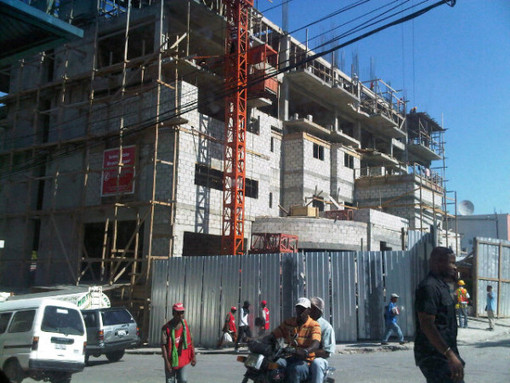
One of the biggest foreign investments in Haiti is an industrial park under construction in the north that’s scheduled to begin garment production in September. The giant US$300 million Caracol industrial park will be run by South Korean manufacturer Sae-A Trading Co. Ltd. and is expected to bring an initial 20,000 jobs to the remote area. And there are smaller efforts to help Haiti improve production so farmers can better export mangoes, cacao and coffee.
The Haitian capital, which includes several overlapping cities such as Petionville, lost nearly 850 hotel rooms in the quake, according to Tourism Minister Stephanie B. Villedrouin. For more than a year after the disaster, it was often impossible to find a room without months of advance notice.
Villedrouin said all of those hotel rooms will have been replaced by the end of the year.
Several hotel projects are also under way outside the capital, including in the sleepy, picturesque fishing village of Jacmel on the southern coast, and are aimed at what Villedrouin and other government officials hope will become a growing market for tourists willing to overlook the capital and its troubles.
“Haiti is not Port-au-Prince,” the tourism minister said. “Haiti is not the earthquake.”
Even before the catastrophe, only a handful of hotels met international standards of comfort, including the Hotel Montana, the Hotel Villa Creole and the newer Karibe Hotel. These would often fill with journalists, international observers and others during elections or times of crisis, becoming hubs of activity in a city with little in the way of entertainment and where few foreigners venture out at night.
The quake largely destroyed the Montana, though part of it has since re-opened, and extensively damaged the Villa Creole, which remained open after the disaster and is now being renovated. The Karibe was largely unscathed.
