
News
Biafra leader Ojukwu dead at 78
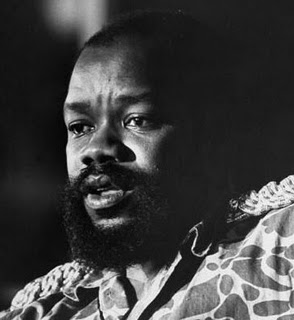
That final massacre never came. Ojukwu and trusted aides escaped Biafra by airplane on January 11, 1970. Biafra collapsed shortly after. Gowon himself broke the cycle of revenge in a speech in which said there was “no victor, no vanquished.” He also pardoned those who had participated in the rebellion.
Ojukwu spent 13 years in exile, coming home after he was unconditionally pardoned in 1982. He returned to politics, but lost a race for a senate seat. Authorities sent him to a maximum-security prison for a year when Nigeria suffered yet another of the military coups that punctuated life after independence.
He later wrote his memoirs and lived the quiet life of an elder statesman until he unsuccessfully challenged incumbent Olusegun Obasanjo for the presidency in 2003. Obasanjo served as a colonel in the Biafran war and gave the final statement on rebel-controlled radio announcing the conflict’s end.
Despite the long and costly civil war, Nigeria remains torn by internal conflict. Tens of thousands have died in riots pitting Christians against Muslims in a country of more than 160 million people. Militant groups attack foreign oil firms in the oil-rich Niger Delta while criminal gangs kidnap the middle class. Poverty continues to grind the country.
The Igbos, meanwhile, continue to suffer political isolation in the country. While an Igbo man recently became one of the country’s top military officers, others say they’ve been locked out of higher office over lingering mistrust from the war.
Some in the former breakaway region still hold out hope for their own voice, even their own country despite the cataclysmic losses.
As did Ojukwu himself.
Biafra,” Ojukwu told journalists in 2006, “is always an alternative.”
Copyright 2011 The Associated Press.
