
Business
Barbados: Economy shows signs of improvement
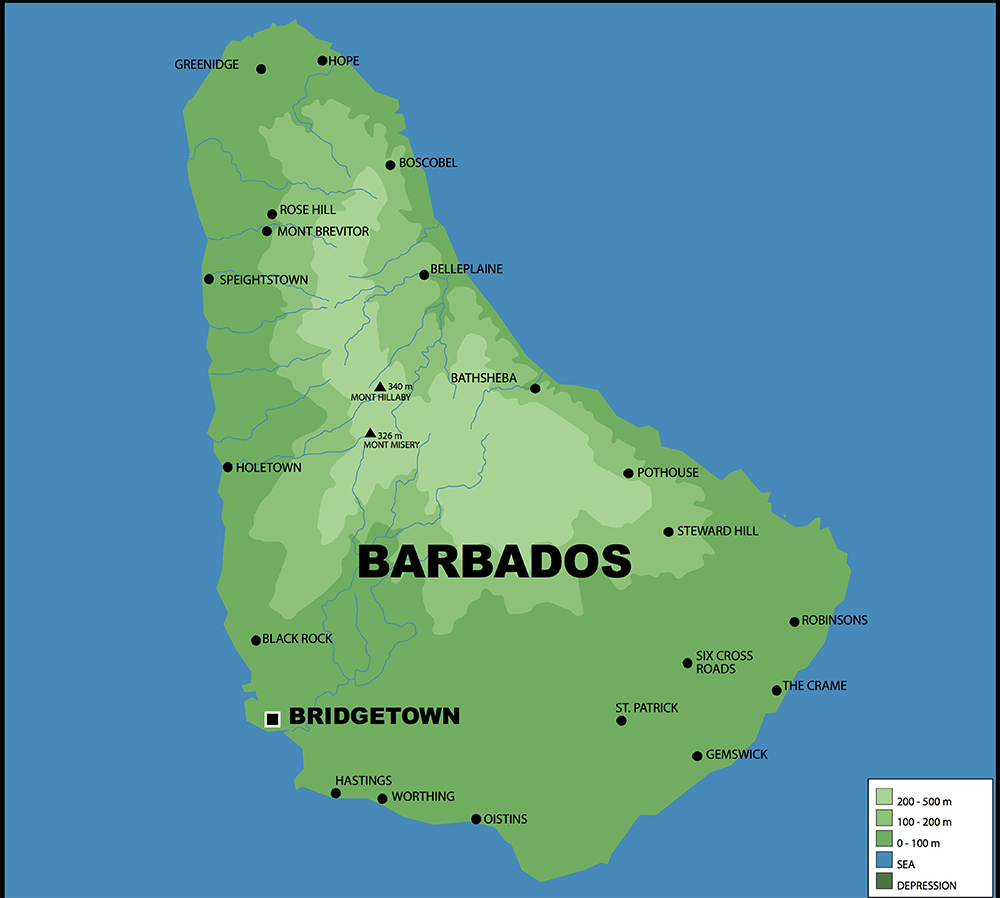
Economy grows by 1.3 percent in the first 9 months of 2016.
The Barbados economy grew by 1.3 percent during the first 9 months of the year and the Central Bank is predicting that the island-nation will record economic growth of 1.4 percent for 2016.
It said that the improved economic situation was due to improvements in the tourism, construction, business and other sectors where growth was an average 3 percent.
The Central Bank of Barbados also noted that the average unemployment rate fell to 10.2 percent for the 9 months ending June and that inflation remained in negative territory, with the price index declining by 1.2 percent.
“A strength of the tourism industry is the fact that Barbados does not have an over-reliance on any one market. Long stay arrivals increased by 5.7 percent” the Central Bank added.
It said the economic foundations of Barbados’ international business and financial services sector remain strong, but the sector faces a challenge because of the sentiment against globalization in advanced economies.
Data up to July indicates that the number of licenses granted to businesses declined by 7.5 percent. In addition, a total of BDS$67 billion (US$33.5 billion) in assets were held by banks in June 2016, representing a 16 percent decrease over a 12 month period.
“Maintaining the value of our currency hinges on crafting fiscal policies that aid in dampening the demand for foreign currency. Government’s fiscal consolidation has assisted in the maintenance of a level of reserves that are above the 12 week benchmark.”
The country’s Central Bank said that the stock of foreign reserves at the end of September stood at BDS$900 million (US$450 million) – an equivalent of 14 weeks of import cover and in an effort to augment this stock of foreign reserves, fiscal policy was tightened in August, by means of a combination of additional revenue measures and further cuts in expenditure.
There has been a significant improvement in the current account of the balance of payments, but the financial account inflows have been very weak. The current account deficit was lower by 3.6 percentage points of gross domestic product (GDP), almost entirely because of tourism. Fuel imports were down by 1.9 percentage points of GDP, with a fall in both prices and the amount imported.
The Central Bank is forecasting that economic growth of 1.4 percent for 2016, indicating that growth for the next 5 years is expected to be in the region of 2 percent per year, “driven by our competitive, diversified, and highly regarded tourism sector”.
“The combined effect of the August fiscal measures and revenues from the sale of the Barbados National Oil Terminal Ltd. is expected to reduce the Government’s deficit to the end of the fiscal year slightly above 4 percent percent of GDP. A continuation of the process of fiscal consolidation should reduce the deficit below the rate of GDP growth in 2017. In subsequent years the ratio should decline, as Government updates the medium term fiscal adjustment strategy.”
The Central Bank said that Barbados remains confident of the prospects of its international business and financial services sector, and officials of the Stuart administration and the Central Bank are actively engaged with international institutions and companies to find ways of resolving the current challenges. -(CMC)
