
Business
African Development Bank blacklists Chinese construction company Sinohydro
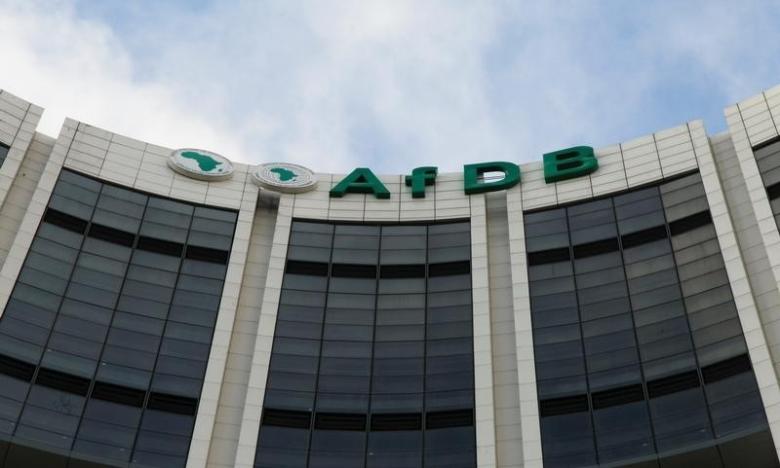
The African Development Bank and Chinese state-owned hydro-power engineering and construction company – Sinohydro have reached a settlement agreement on fraudulent practices. The Sinohydro Corporation has agreed to a comprehensive verification of its compliance program by the African Development Bank following the detection of a fraudulent practice in tendering for works contracts in Uganda.
The African Development Bank Group (AfDB) Thursday last week, announced the conclusion of a settlement agreement with the Sinohydro Corporation.
An investigation conducted by the AfDB’s Office of Integrity and Anti-Corruption established that the Sinohydro Corporation engaged in fraudulent practices during the bidding process for works contracts in the context of the AfDB-financed Road Sector Support Project in Uganda.
As part of the settlement, the AfDB imposed a conditional non-debarment for a period of 3 years, subject to Sinohydro enhancing its global corporate compliance program within that period to the institution’s full satisfaction. The AfDB will verify the adequacy of Sinohydro’s compliance framework and the robustness of its implementation prior to any release decision.
In addition, Sinohydro committed to cooperate with the Office of Integrity and Anti-Corruption in its investigations of unrelated cases of misconduct in AfDB-financed projects. The period of conditional non-debarment may be reduced to 24 months if Sinohydro complies with all conditions of the agreement early.
“The purpose of the Bank’s sanctions regime is in equal measures the deterrence of sanctionable practices such as fraud and corruption and the rehabilitation of entities found to have engaged in such”, says Anna Bossman, Director of the AfDB Office of Integrity and Anti-Corruption. “Engaging with companies and ensuring the implementation of robust corporate compliance safeguards is key to avoid recidivism”.
In 2013, Sinohydro is said to have participated in a tender for works contracts under the AfDB-financed Road Sector Support Project in Uganda. The investigation by the Office of Integrity and Anti-Corruption found that the Chinese company misrepresented its prior project experience by using not yet successfully and substantially completed contracts as references.
The Office of Integrity and Anti-Corruption of the AfDB Group is responsible for preventing, deterring and investigating allegations of corruption, fraud and other sanctionable practices in Bank Group-financed operations.
AfDB staff and the general public can use the Office of Integrity and Anti-Corruption secured hotlines to report sanctionable practices within the Bank or operations financed by the Bank Group.
Since 2006, investment from China has rapidly increased in Africa. According to a World Bank report in 2008, most of the Chinese investment goes to the infrastructure sector, mostly hydro electric power, railroad, and telecommunications.
