
Business
African American women-owned businesses up by 258 percent – Report
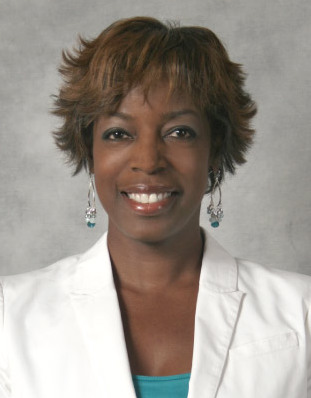
Karen Lawrence – CEO and Founder, It’s My Affair, LLC
As the “great economic recession” recedes, women business owners in the United States are emerging victorious with record growth and economic impact. Even so, women entrepreneurs still face barriers to success.
Today, 30 percent of all American businesses have a woman at the helm. African American women in particular are a driving force, establishing their enterprises at six times the national average, according to a 2013 American Express OPEN report.
Between 1997 and 2013, African American women-owned businesses grew by 258 percent and made US$226.8 billion in revenue. They employ 1.4 million people, which is more than the combined population of Atlanta, St. Louis and Miami.
Another study from the Global Initiative for Women’s Entrepreneurial Research found that by 2009, women-owned businesses supplied 23 million jobs – or 16 percent of all jobs available at the time, with an economic impact of US$3 trillion.
In terms of job growth, women-owned businesses rank second only to publicly traded companies. But available data suggests there is much more unearthed potential.
“While women-owned businesses are the fastest-growing segment of businesses, and many succeed, women must overcome barriers that their male competitors do not face,” a report from the U.S. Senate Committee on Small Business and Entrepreneurship states. The committee held a hearing recently at which it released the report and discuss its findings. “In the area of capital, studies find that women do not get sufficient access to loans and venture capital.”
Some of turned rampant unemployment into an opportunity.
In 2002, Karen Lawrence was laid off in the post-9/11 recession. Tired of fighting to get back into the corporate world, she channeled her event management skills into a startup. Using her savings and severance package, she launched It’s My Affair, LLC.
“It wasn’t enough. But I started small,” Lawrence says. “Getting people to take you seriously as a business owner, especially when you are small, is the hardest part.”
Read more: Los Angeles Wave
