
Business
African American business owners look to their own
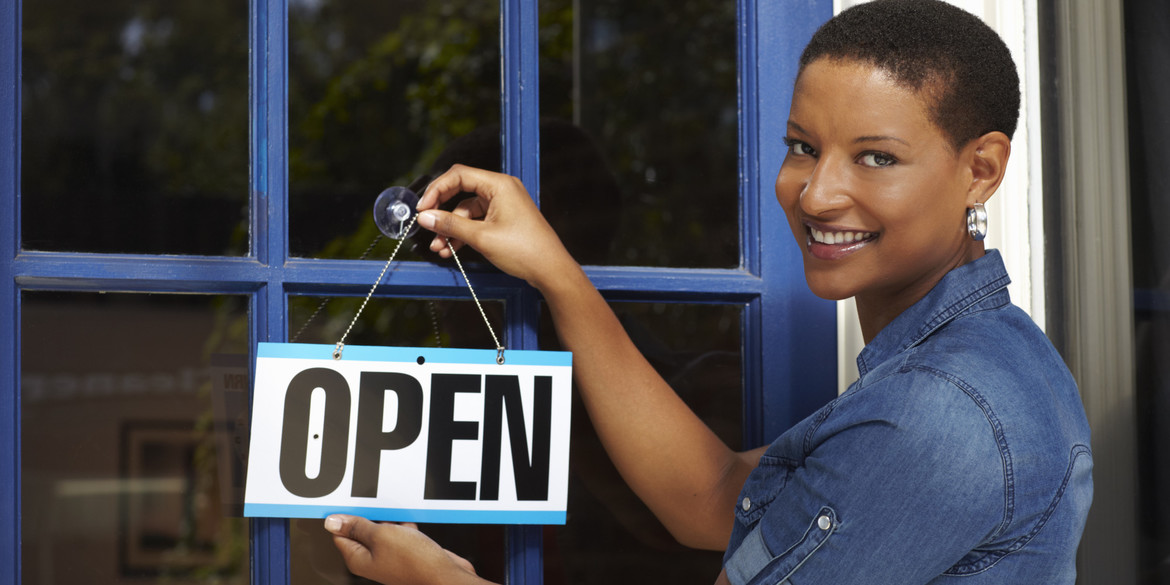
When Terina McKinney displays her leather bags and belts at events attended primarily by black women, they are often interested in her designs, and in her experience as an African American business owner. But she seldom makes sales.
“They all ooh and ahh and ask a ton of questions, but don’t necessarily make purchases,” says McKinney, whose Jypsea Leathergoods products range from $US20 to $US325.
Instead, her customers tend to be white or Asian women.
While calls have been increasing for African American consumers to support African American-owned businesses with their buying power estimated at more than $US1.2 trillion a year, social media campaigns with momentum like #buyblack are relatively new.
And McKinney’s frustration is shared by some other African American business owners who say they can find it hard to sell to African American consumers.
The factors can be logistical or practical, such as being located farther away or having higher prices than big chain stories, retail experts and civic leaders say. Scarcity can be a reason: It can be hard to find businesses owned by African Americans.
But other considerations might be emotional, like wanting a trendy design everyone is wearing, or the perception that national brands are better.
“There is a myth that’s been placed on our communities for many generations: White people’s ice is colder. White businesses are superior to black businesses,” says Ron Busby, president of the US Black Chambers, a national business organization for black-owned companies.
“We have to change that mentality. We have to be better, conscientious consumers.”
McKinney says her lower sales to black shoppers don’t seem to be a matter of money, since she finds that many will spend on well-known labels.
Designer Joede Brown, who sells crocheted clothing under the Black Pearl Creations brand from under $US30 to up to $US500, recognizes that a preference for well-known brands isn’t limited to the black community, but also wonders if buying them is a statement: “You’ve beaten me down, but look, I can have this too.”
Consumers who do try to focus their spending on African American-owned companies say finding them requires research, and it can take more time and effort to get there.
But locating options is getting far easier, both through local and national social media campaigns and online lists from groups like the US Black Chambers.
“This is the only way we as a people can generate wealth, by supporting our own,” says Rebecca Briscoe. Her grandfather’s photography company was African American-owned and focused on African American customers from the 1940s onward because white photographers would not do business with them. “If you don’t support their business, they don’t have a business,” says Briscoe.
Campaigns like #buyblack and also #bankblack, which encourages people to use black-owned financial institutions, are having an impact. The #bankblack campaign recently got a boost from rapper and activist Killer Mike, who called on people to shift their money to these banks.
OneUnited Bank has gone from 50 new accounts a day to as many as 1,000, says Teri Williams, president of the financial institution. “It is opening the community’s eyes to the many ways they are spending their dollars,” Williams says of the campaigns.
Businesses that provide a service may have more success than those that sell merchandise, says Jerome Williams, a marketing professor at Rutgers University.
“Since service businesses tend to involve more people interactions, the people relationships should prove to be more important, compared to situations where the focus is primarily on the product,” he says.
African American-owned businesses offer African American consumers distinct advantages – especially if shoppers have felt discriminated against at other places – and can provide services tailored to their needs, says Geraldine Henderson, a marketing professor at Loyola University in Chicago. She cited health care providers who understand medical concerns that may be more relevant to black patients.
“You want to go to a provider with cultural competence,” Henderson says.
Maggie Anderson, who lives in Chicago, wrote a book called “Our Black Year” about her effort to buy from black-owned businesses exclusively. That included the stores where she and her husband bought food, clothing, household necessities and personal care items, as well as service providers like hair salons, auto mechanics and restaurants.
Sometimes that meant driving 80 kilometers (50 miles) to get things. Sometimes it meant going without fresh fruit because they couldn’t find what they wanted at a black-owned store. It meant telling their daughters “no” when a toy or book wasn’t sold at a black-owned shop. “It was a message to our fellow black consumers that we have to be more accountable to what has happened to and what is happening to our community,” Anderson says.
Copyright 2016 The Associated Press
