
Politics
According to Study by Mastercard, Nigeria Spends $5.1 billion Per Year on Printing and Moving Cash
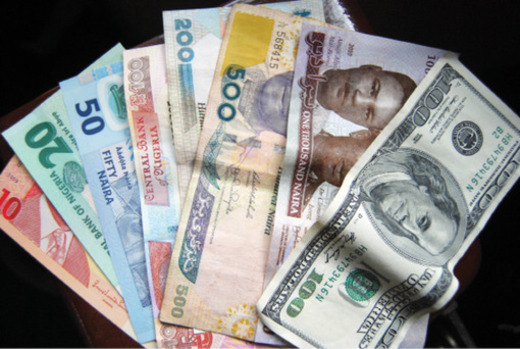
Nigeria spends an estimated $5.1 billion yearly on printing and handling cash, a study by US-based financial payment solutions firm, Mastercard has revealed. The study explains that countries across the globe spend an average of 1 percent of their GDP yearly to fund minting of currency notes and logistics involving handling, processing and shipment.
“MasterCard advisers have done studies in many countries and found out that the cost of cash to an economy is about one per cent of the country’s GDP,” Mrs. Omokehinde Ojomuyide Vice President, West Africa, MasterCard was quoted by Nigerian Financial Technology.
She also said, “The studies show that countries spend from 0.5 to 1.5 percent of their GDP.” This implies that Africa’s largest economy, following the recently devised GDP figures of $510 billion, spends an average of $5.1 billion annually of cash logistics, as $5.1 billion represents 1 percent of GDP.
Going Cashless
This revelation underscores the need to devise strategies of reducing cost of cash, an area where recently implemented cashless policy becomes even more critical. The Central Bank of Nigeria (CBN), in January 2012, launched the innovative cashless policy, with Lagos, the country’s commercial hub, its kick off base.
The policy sought to limit the amount of daily cash handling in circulation by increasing charges on daily withdrawals and deposits that exceeded N500,000 ($3,000) for individuals and N3 million ($18,600) for corporate bodies, encouraging individuals to rather patronize electronic forms of payment.
While several socio-economic reasons were listed for the need to reduce cash in circulation including insecurity and the high risk of moving hard currency and maintaining economic stability by controlling inflation, the most critical point of was reducing the cost of minting and circulating adequate cash across the country.
“I believe that is the discussion the CBN had some years ago and started pushing the cashless policy. There is a reason to the cashless initiative,” added Ojomuyide. “ And the reason is simple: It is because the government has done the numbers and realized that there is a cost to cash, and it is only when you realize that there is a cost to cash that this conversation that we call cashless can start.
