
Politics
According to Study by Mastercard, Nigeria Spends $5.1 billion Per Year on Printing and Moving Cash
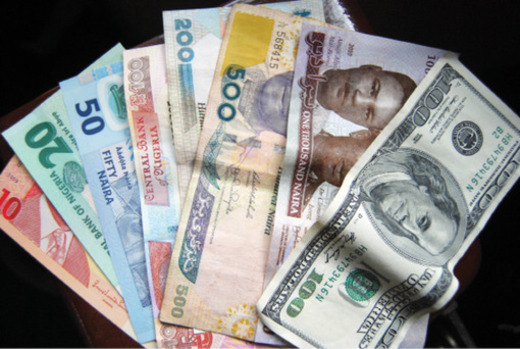
She also said, “That is what is motivating their policies. You see them bringing out policies to reduce cash, make PoS work, and if you deposit above X amount, you will get charged.” Nigeria is set to deepen the cashless initiative’s reach mid-2014, with plans to expand offerings nationwide from July.
Any Impact?
Early this year, a report by Nigerian daily ThisDay quoted the suspended Central Bank Governor, Mallam Lamido Sanusi, as suggesting records of positive returns since the inception of the cashless policy. Sanusi explained in an official remark that cost of cash on the apex bank’s balance sheet had dropped from N46 billion ($285 million) in 2009 to N35 billion ($2.16.8 million) as at 2013; sandwiched in-between was the launch of the policy in 2012.
He said, “We have got more money now being transferred through electronic channels.” Bouyed by the encouraging figures and the significant impact it had on cost of printing and handling, he vowed to further drive down cost below N30 billion ($185.9 million) before his tenure elapsed this year.
Source: Ventures Africa
