
Life
University of the West Indies researchers pioneer first uses of Renewable Natural Gas
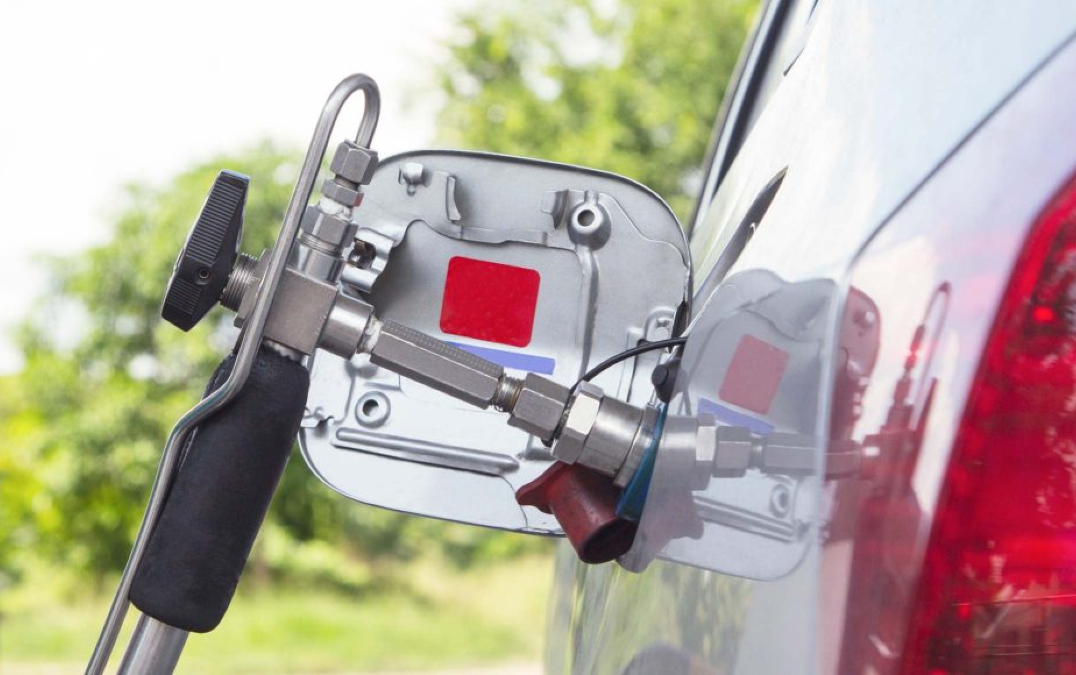
Barbados made history on Tuesday by unveiling the world’s first vehicle powered by renewable natural gas (RNG) produced from Sargassum seaweed, Blackbelly sheep manure, and wastewater from rum distilleries.
This groundbreaking project, developed over the past year, is led by researchers from the University of the West Indies (UWI) at Cave Hill. They successfully generated biogas as part of an initiative driven by Rum and Sargassum Incorporated and Supernova Lab of Future Barbados, attracting over BB$1 million (US$500,000) in investments. The vehicle, called “Test Drive Zero,” was officially revealed, symbolizing a significant achievement in Barbados’ efforts toward renewable energy.
Heidi Jack, the project’s technical advisor, shared that the launch will demonstrate several features of RNG, including its use in cooking, generating electricity, and powering electric vehicles, as well as other RNG-compatible vehicles.
Legena Henry, the project’s founder, mechanical engineer, and UWI Cave Hill renewable energy lecturer, emphasized the initiative’s potential to lower fuel costs and reduce carbon emissions. “Bio-CNG (compressed natural gas) offers an affordable way for Barbadians to cut fuel costs by up to 50 percent,” Dr. Henry explained. “Drivers don’t need to replace their cars – our bio-CNG solution enables them to run their current vehicles on locally sourced waste materials like rum distillery wastewater, Blackbelly sheep manure, and Sargassum seaweed.”
Plans for a biogas refueling station are in progress. Dr. Henry noted that the project could expand natural gas supplies, support the electricity grid, and even provide liquefied natural gas for export. Additionally, it tackles the growing Sargassum seaweed problem on beaches and aligns with Barbados’ goal to become fossil-fuel-free by 2030. The reuse of distillery wastewater is also crucial in improving waste management.
Dr. Henry estimates that if vehicles switch from gasoline to Sargassum Bio-CNG, the project could prevent up to 103,000 metric tonnes of carbon dioxide emissions annually. Funding for the initiative has come from multiple sources, including BB$200,000 (US$100,000) each from the Blue Chip Foundation and Venture for Climate Tech in New York City, along with BB$600,000 (US$300,000) from the European Union.
Looking forward, Dr. Henry envisions eco-friendly refueling stations across the island where motorists can easily fill up with biogas, similar to traditional gas stations. “It will be as simple as using a bio-gas dispenser. The technology is similar to CNG systems, but the energy source will be renewable,” she explained.
Dr. Henry’s ongoing research continues to focus on leveraging Caribbean natural resources, such as Sargassum seaweed and ocean waves, for sustainable energy solutions.
