
Life
Spelman College choosing wellness and fitness ending sports program
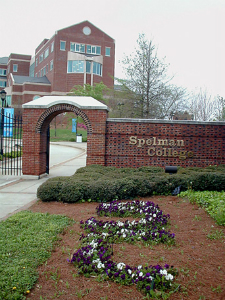
David Ridpath, an associate professor of sports administration at Ohio University, called the announcement eye-catching and predicted it could serve as a model at similar schools.
“I don’t really look at this as a complete anomaly,” said Ridpath, who is also president-elect of the Drake Group, a national faculty organization advocating for changes in college athletics. “I think there might be other schools that try to get out of the rat race and get back to the original view of we need to worry about the mind and body of our students.”
Spelman is unusually well-suited for such a move as it will likely face little uproar from alumni. Tatum acknowledged that Spelman’s student-athletes were disappointed when they were told last spring, but said she was hopeful it would not discourage them or future students.
“They are passionate about what they do and want to keep doing it,” Tatum said. “Students who really want to be at Spelman will still come to Spelman. Athletics has been important to those students who have participated but to the overall campus community it has not been a major emphasis.”
The cost of athletics can be particularly painful at HBCUs, which have struggled to maintain enrollment in recent years, due to the weak economy and tighter credit requirements that have made it harder for some of their often low-income students to get loans to pay for college.
Earlier this month, all-male Morehouse College — Spelman’s sibling institution in Atlanta — announced it would furlough faculty and make other budget cuts due to lower-than-expected enrollment.
The economics of college athletics vary widely from big-time programs to Division III schools where intercollegiate athletics are little more than another extracurricular activity. At most places, they lose money for the college and typically, schools say that’s fine. They argue there’s educational value in athletics, and they run all sorts of programs to benefit students that aren’t expected to pay for themselves, from jazz bands to the English department. It’s part of the college experience.
