
News
Sierra Leone pursues rice self-sufficiency in response to rising costs
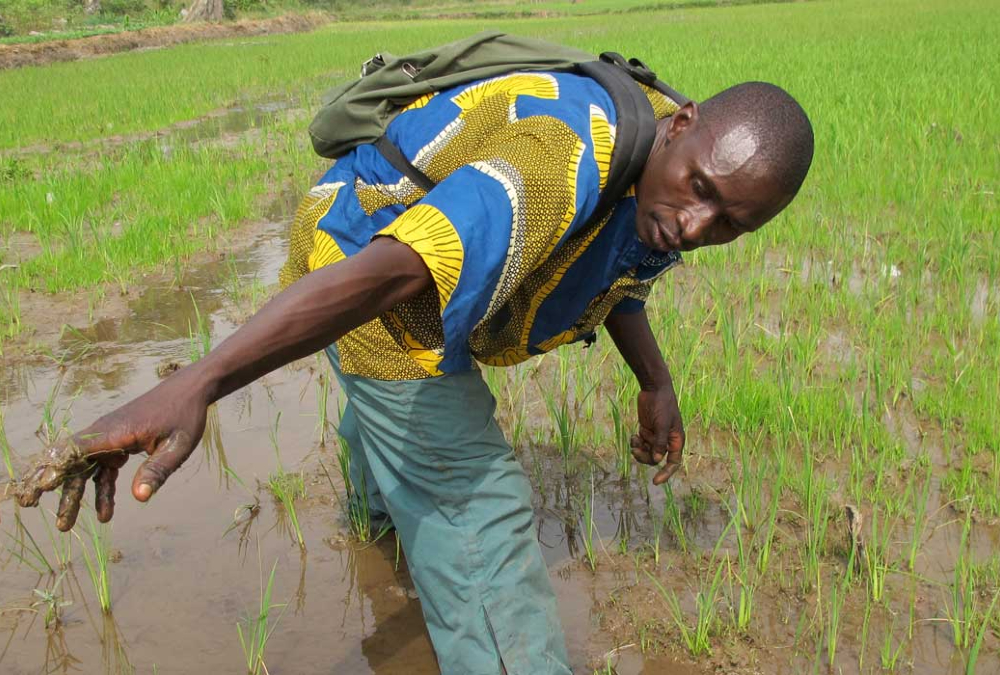
Rice holds deep cultural significance in Sierra Leone, where a meal without rice is considered incomplete. However, surging rice prices have forced many to sacrifice other essentials, contributing to food insecurity affecting 83 percent of the population, according to the U.N. World Food Program.
Prices have more than doubled this year, straining consumers further.
Experts attribute the crisis to Sierra Leone’s reliance on imports, which supply 35 percent of its rice and cost US$200 million annually. Despite West Africa’s rich rice-growing history, limited agricultural investment, rapid population growth, and cheap Asian imports have fueled dependency.
Agriculture Minister Henry Kpaka Musa blames 1980s International Monetary Fund policies for discouraging agricultural investment. Now, he and President Julius Bio aim to achieve food self-sufficiency.
The government has raised US$620 million for infrastructure and farming support, though the full plan requires US$1.8 billion. Initiatives include improving roads, creating irrigated land, and providing fertilizers and seeds to smallholders.
Critics warn these efforts could prioritize large agribusinesses over Sierra Leone’s 5 million smallholder farmers. Similar strategies in other African nations have often failed, leaving farmers in debt and dependent on imported inputs.
NGOs like Green Scenery advocate for sustainable practices, such as organic compost, instead of chemical fertilizers and patented hybrid seeds.
Despite Sierra Leone’s ideal climate and fertile land, challenges remain, including poor infrastructure, climate change, and limited financial access. Minister Kpaka emphasizes that infrastructure is key to transforming subsistence farming into a viable industry.
The success of Sierra Leone’s rice revolution hinges on balancing large-scale investment with empowering smallholders. As the country pushes toward food self-sufficiency, sustainable solutions will be critical to avoiding past failures.
