
News
Obama’s debt taming plan would spare Social Security
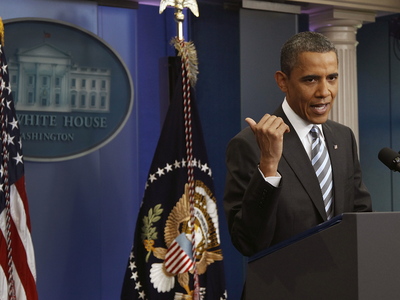
President Barack Obama is backing away from some deficit reduction proposals he considered during failed summer negotiations with House Speaker John Boehner even as he prepares to unveil a broad plan to tackle the nation’s debt with a blend of tax revenue and lower spending on health care programs.
The president is not expected to include adjustments to Social Security when he lays out his plan Monday for lowering long-term deficits by US$2 trillion over 10 years. In July, during talks with Boehner over raising the nation’s borrowing limit, the White House had proposed reducing cost-of-living adjustments for most Social Security recipients, a proposal that met stiff Democratic resistance.
Senior administration officials maintain Social Security does not contribute to the deficit and they say the negotiations with Boehner took place under deadline pressure to produce a congressional deal that could swiftly win enough Democratic and Republican votes to avoid a damaging government default. That deal collapsed and Congress raised the debt ceiling only after lawmakers and Obama agreed to cut US$1 trillion in spending and aim for US$1.5 trillion more in deficit reduction by the end of this year.
Without a looming default, officials say Obama is more likely to present a deficit cutting plan on his terms. In announcing his proposal Monday, Obama is expected to provide a deficit reduction framework that picks up where he left off last April, when he delivered a speech at George Washington University that set a goal of reducing deficits by US$4 trillion over 12 years.
That speech specifically left Social Security out of any cost-cutting formula. While aging baby boomers will put a strain on the government retirement program, which is financed through payroll taxes, economists point to health care as the main driver behind the nation’s growing debt.
The Wall Street Journal first reported Wednesday that Obama’s plan wouldn’t contain changes to Social Security.
In his April speech, Obama proposed reducing the costs of Medicare and Medicaid, the health care program for the poor, by US$340 billion by 2021, in part by enforcing slower growth of Medicare costs. In talks with Boehner this summer, the White House identified US$250 billion in Medicare spending reductions and US$110 billion in Medicare reductions.
In those negotiations, Obama had been willing to consider raising the eligibility age for Medicare gradually from 65 to 67 over a period of years and requiring that wealthier Medicare beneficiaries pay more for premiums and co-pays. Many Democrats, however, objected to an increase in the age for beneficiaries.
A document circulated this month by Democratic aides to the House Ways and Means Committee lists a number of options for health care savings, but calls raising the eligibility age “a radical departure from current policy.”
“It isn’t the panacea that some people talk about, where it doesn’t hurt anybody and it’s just the natural order of things,” said economist Marilyn Moon, a former trustee who helped oversee Medicare and Social Security finances.
If Obama’s new health care law isn’t overturned, guaranteed private health insurance would be available to middle-class early retirees starting in 2014. But it wouldn’t be cheap. The nonpartisan Kaiser Family Foundation estimates the annual premium for someone in their 60s would be more than $10,000, not counting any government subsidies that person might be entitled to.
A Kaiser analysis this summer found that the savings to federal taxpayers would mean higher costs for others. Two-thirds of 65- and 66-year-olds would pay more for their new coverage than they would have under Medicare.
