
Politics
Nigeria’s Finance Minister says Nigeria’s Economy Needs to Be Fixed Not Be the Best
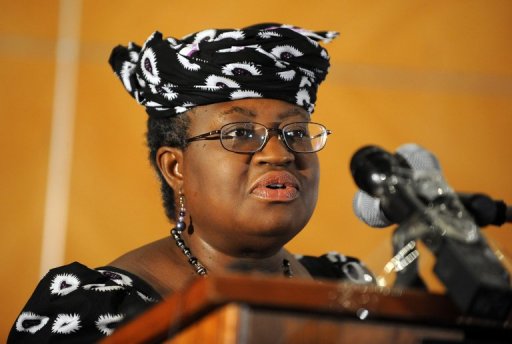
In an exclusive interview with NPR, Nigeria’s Finance Minister Ngozi Okonjo-Iweala delivered the promising news that the country has overcome hurdles and stabilized the economy. For some time, talks of Nigeria overtaking South Africa’s economy to become the largest have been circulating.
However, the best achievements, Okonjo-Iweala said, are birthed from necessary action. Furthermore, the most beneficial improvements will come to sectors — and the nation’s job market — when fixing the economy is placed above competing.
“We were not doing it necessarily to become the largest economy but because it needs to be done. But what it means is if we know how our economy is fixed, which sectors matter, we can better invest in them in order to boost jobs and create safety nets for people at the bottom end of the ladder,” she told NPR.
She also advised, “So it should matter. However, being the biggest economy also comes with big responsibilities because everybody will be looking at Nigeria to do better, to lead in Africa, and that’s why we also need to focus on those things that we are not doing so well.”
NPR noted that the International Monetary Fund (IMF) has predicted a spike in Nigeria’s economic growth for this year. In 2013, the country’s economy grew 6.2 percent. In 2014, it’s expected to reach 7.3 percent growth as the implementation of macroeconomic policies have placed the country on an annual 7 percent growth path.
Aside from a macroeconomics boost, the Finance Minister, previously the managing director at the World Bank, said that expansion of the oil sector will create economic opportunities for not only the country, but Nigerian citizens. According to NPR, new legislation will sort out issues with transparency and missing funds.
“The oil sector in Nigeria has always had this distrust by Nigerians about how transparent it is. And what has happened is that the president has pushed for a petroleum industry’s bill, which will open up the sector,” Okonjo-Iweala added. She then went on to say, ”You know, it’s going to transform the oil company into a commercial enterprise, and some of the shares will be sold to Nigerians.”
Okonjo-Iweala further admitted that it’s been twenty-four years since Nigeria’s economy has been rebased. There are now sectors and areas of business which are attributing to the economy’s growth. This year the government is zeroing in on creating jobs within the housing, agriculture, and not surprisingly the emerging creative business sector.
