
News
Namibia to Honor First Genocide Remembrance Day with Historic National Ceremony
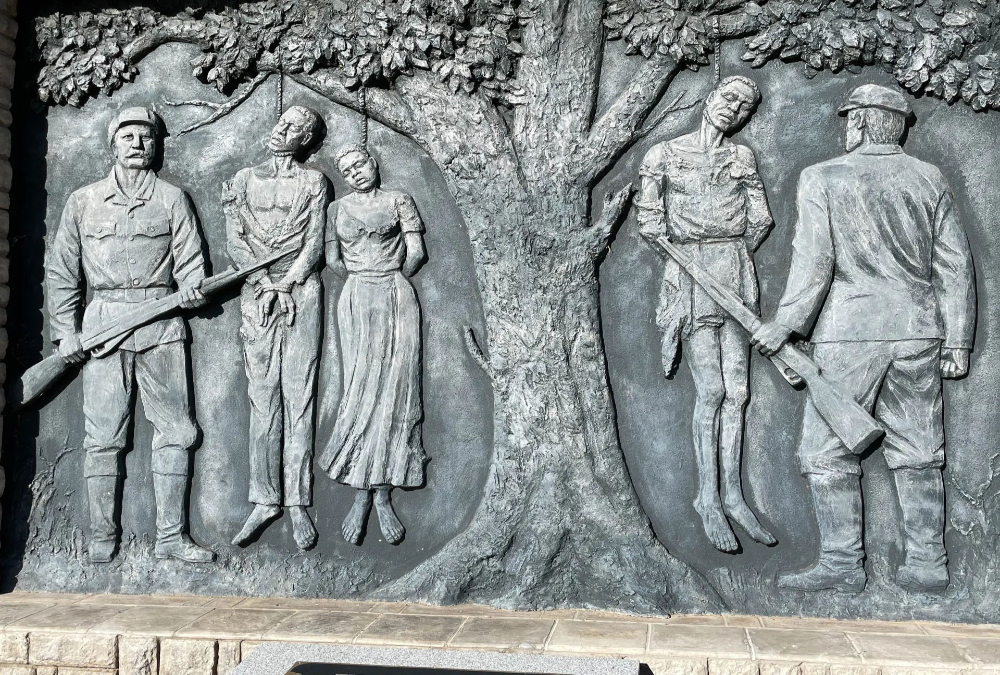
Windhoek, Namibia | Construction is underway at Parliament Gardens as Namibia prepares to host its inaugural Genocide Remembrance Day on May 28, 2025, a landmark event recognizing the atrocities committed by German colonial forces against the Herero and Nama communities between 1904 and 1908. President Netumbo Nandi-Ndaitwah will deliver the keynote address at the ceremony, which has been declared a permanent national holiday to foster collective healing and reflection.
A Historic Reckoning
This solemn occasion marks the first official national commemoration of what scholars widely acknowledge as the 20th century’s first genocide. During Germany’s colonial occupation of Deutsch-Südwestafrika (1884–1915), tens of thousands of Herero and Nama people were systematically exterminated after rebelling against oppressive rule.
The atrocities, characterized by mass killings, forced displacement, and deadly concentration camps, left a devastating legacy that Namibia continues to reckon with over a century later.
Commemorative Events and Symbolism
According to a government program released Monday, the ceremony will include a candlelight vigil, a moment of silence, and speeches honoring the victims. The date, May 28, holds profound historical significance: it marks the day in 1907 when German authorities shuttered the camps following international condemnation of their brutality.
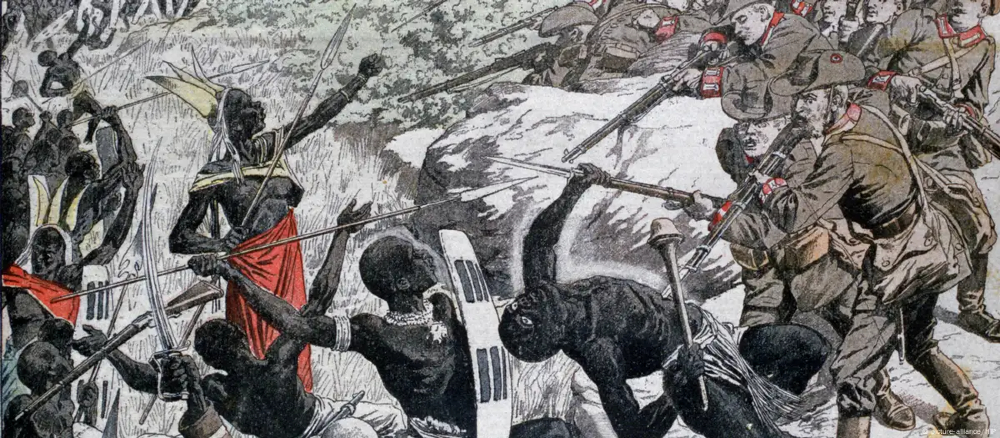
Image credit: picture-alliance/HIP
“This day serves as a moment of national mourning and a commitment to healing,” the government stated, emphasizing that the annual event will anchor a broader journey toward reconciliation. Diplomatic representatives, local leaders, and citizens are expected to gather at Parliament Gardens for the inaugural observance.
A Call for Global Reflection
As Namibia confronts this dark chapter, the government has urged citizens and the global community to reflect on the enduring scars of colonialism and the urgent need to address ongoing atrocities worldwide. “From history, we learn vigilance,” the announcement underscored.
“The lessons of the past must guide our actions in safeguarding human dignity today.”
Why This Matters
The genocide of the Herero and Nama peoples remains a pivotal yet often overlooked episode in colonial history. By institutionalizing this remembrance, Namibia seeks not only to honor victims but also to educate future generations and advocate for justice in a world still grappling with violence and oppression.
Let us pause, reflect, and act – for the past, present, and future.
