
Business
Johannesburg on the Road to Being a “Smart City”
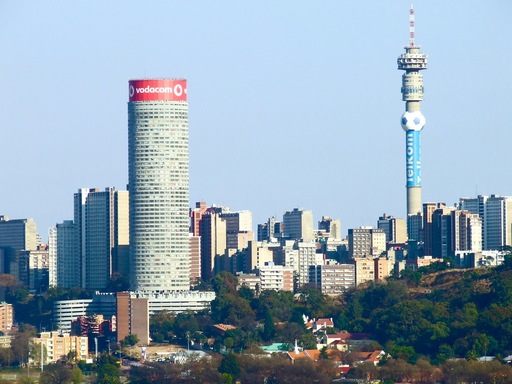
The City of Johannesburg is at work to transform itself into an economy of the future, the city’s mayor Mpho Parks Tau has said. “We’ve done the planning, we’ve put in place the structures, and now we’re implementing the strategy,” Tau said at the State of the City address at Soweto in Johannesburg on Monday.
Tau added that along with the city’s total assets, Johannesburg’s capital budget has been on a steady increase. The city’s capital budget currently sits at 7.6 billion rand and is projected to grow to 10.9 billion rand in the next financial year. The city’s total assets also increased to 60.1 billion rand from 56.37 billion rand in 2011 and 2012. “In the past, economic activity and planning were primarily focused on the mining and resources sectors as well as financial services,” Tau explained.
“Although these sectors will remain important in the years to come, we will give particular attention to those economic activities and sectors that will position Joburg as a global city of the future.” In a significant move to improve access to information, nine Rea Vaya bus stations, as well as the Orlando Communal Hall where the address was held, went live as free Wi-Fi hotspots.
One-thousand more Wi-Fi hotspots will be implemented before the end of Tau’s mayoral term. New fiber optic cables also form part of a 100 billion rand investment over the next 10 years. In 2013’s address, Tau focused on the rollout of waste separation, with the aim of reducing waste to landfill by 20 per cent in 2015. This year, over 470,000 households have been targeted to participate in the program.
Bio gas and fuel was a prominent feature in this year’s address, and the start of the year saw the launch of two Metro buses powered by compressed natural gas and diesel. Thirty of the city’s Metrobus fleet is expected to be converted in the near future. According to Tau, the first two buses have so far emitted 90 percent less carbon emissions that a diesel-fueled bus would.
The Metrobus fleet, along with the Rea Vaya bus system, offers transport to commuters traveling to and from the city’s central business districts. The use of bio-gas, which is sourced from waste and crops, is also expected to mitigate climate change and reduce energy costs.
Roughly, 143 kilometers of water pipes are also in the process of being replaced to curb water wastage. “These efforts will also extend to other public and private transport. This will enable all Joburg residents to use these locally produced energy sources to power their vehicles enabling them to pay less for fuel and public transport,” said Tau.
Copyright CNBC Africa 2014
