
News
Jamaica Rejects U.S. Push to End Cuban Doctor Program Amid Human Trafficking Allegations
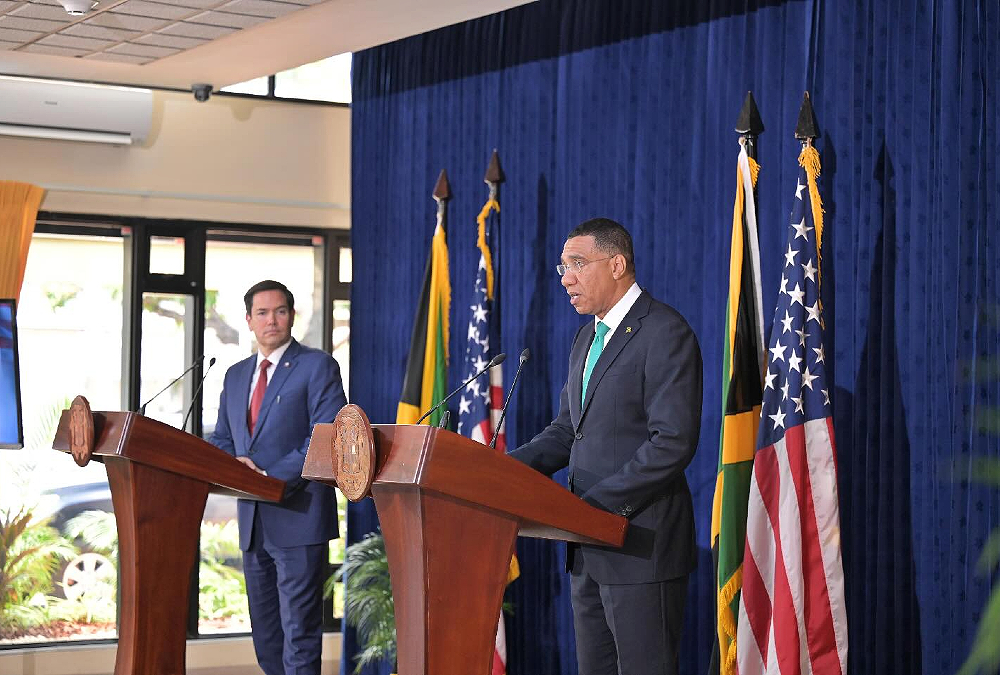
Jamaica has firmly rejected calls from U.S. Secretary of State Marco Rubio to terminate a longstanding program that brings Cuban doctors to the Caribbean nation – a program that has become essential to healthcare across the region despite U.S. allegations of labor exploitation.
During a high-level meeting on the sidelines of a Caribbean summit, Rubio pressed Jamaican officials to reconsider their reliance on Cuban medical personnel, framing the program as a form of human trafficking. However, Prime Minister Andrew Holness stood his ground, defending the initiative and emphasizing the vital role Cuban doctors play in Jamaica’s healthcare system.
“Let us be clear – the Cuban doctors in Jamaica have been incredibly helpful to us,” Holness stated at a joint press conference with Rubio. He highlighted the critical shortage of healthcare professionals in Jamaica, noting that the 400 Cuban doctors currently working in the country help fill gaps left by the emigration of Jamaican medical workers.
Holness also pushed back against allegations of exploitation, asserting that Jamaica upholds labor laws to ensure fair treatment of foreign medical personnel.
“We are very careful not to exploit the Cuban doctors who are here. We ensure that they are treated within our labor laws and benefit like any other worker,” he said. “Any characterization of the program by others certainly would not be applicable to Jamaica.”
Rubio, a staunch critic of the Cuban government, has been a leading voice in the Trump administration’s efforts to curb the global deployment of Cuban medical professionals. Last month, he announced new U.S. visa restrictions targeting foreign government officials who facilitate the program, which Washington argues amounts to forced labor.
While acknowledging Jamaica’s position, Rubio maintained that the United States remains opposed to the program “in general.”
“The regime does not pay these doctors, takes away their passports, and, in many ways, this is forced labor,” Rubio asserted. “That we cannot support.”
Despite these differences, Rubio pledged to engage further with Jamaican officials to gain a “better understanding” of how the program operates in the country.
As tensions persist over the Cuban doctor program, Jamaica has signaled its willingness to cooperate with the U.S. on other key regional issues, including efforts to combat gang violence in Haiti and the broader Caribbean.
