
News
Hurricane Melissa Economic Havoc, Costing Jamaica Up to a Third of Its GDP
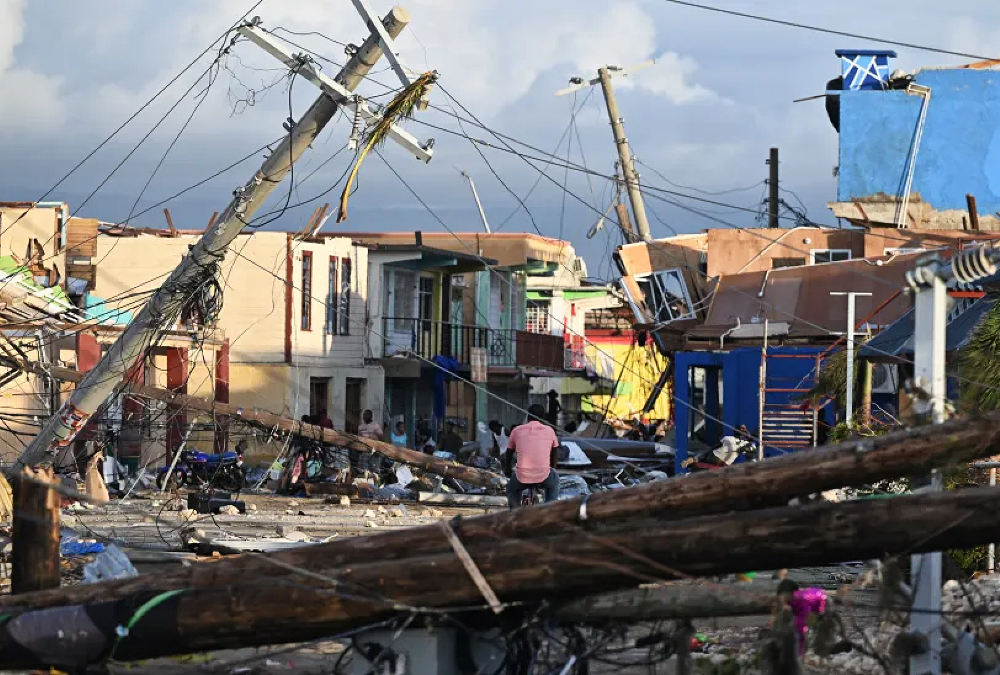
Hurricane Melissa, the most powerful storm ever recorded to strike Jamaica, has inflicted an estimated US$6 billion – US$7 billion in damages, equivalent to 28 percent – 32 percent of the island-nation’s 2024 GDP – according to Prime Minister Andrew Holness.
Addressing parliament, Holness described Melissa as “a warning as much as a tragedy,” noting its unprecedented intensity was fueled by record Atlantic sea temperatures. The storm’s force was so extreme that seismographs hundreds of miles away registered its passage.
The Caribbean nation now faces an 8 percent – 13 percent contraction in short-term economic output. Melissa ravaged agricultural zones still recovering from 2024’s Hurricane Beryl and tore through vital tourism corridors, leaving thousands of workers unemployed and food prices poised to surge.
With over 30 communities cut off due to destroyed roads and bridges, relief efforts are hampered by shortages of helicopters, medical personnel, and engineers. The confirmed death toll stands at 32 in Jamaica and 75 across the region, including 43 in Haiti – despite the country not being directly hit – where torrential rains triggered deadly flooding and left nearly 12,000 homes submerged.
In response, Jamaica has activated emergency fiscal measures, temporarily suspending its debt rules, and is seeking aid from regional partners, multilateral agencies, and the private sector. Holness announced import duty waivers for critical relief supplies, including solar panels and Starlink terminals, and pledged to rebuild infrastructure to “withstand the storms of tomorrow” – including burying parts of the power grid.
The disaster intensifies long-standing calls from Caribbean leaders for climate reparations from high-emitting nations, as scientists warn that greenhouse gas – driven ocean warming is supercharging hurricane intensity across the region.
