
News
Haiti: Will Duvalier escape justice?
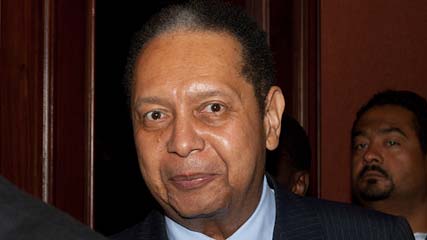

Jean-Claude Duvalier
Before President Michel Martelly took office in May 2011, Haiti’s top prosecutor had recommended that former strongman Jean-Claude Duvalier face trial for the abuses associated with his 15-year rule.
But when the judge released an order last week, it recommended that Duvalier be indicted for only financial crimes. The former “president for life” could receive no more than five years if convicted instead of life in prison on more serious crimes.
On top of that, the sloppily written order in Haiti’s biggest court case ever was filled with factual errors, including naming a co-defendant who’s been dead for more than 40 years and another co-defendant, the Duvalier family’s decorator, who died in 2003. The judge stopped accepting evidence after five months of investigation, and the case was handed off at different times to five government prosecutors responsible for shepherding the investigation.
The judge’s findings and newly disclosed details about how the investigation was conducted have bolstered suspicions among lawyers, plaintiffs and international partners that the Martelly administration, staffed with some officials from the old regime, swayed the outcome of the case.
“I don’t know if there was a direct order but it’s obvious that the government didn’t want to make the case move forward,” said Michele Montas, a plaintiff and former journalist who was jailed and expelled from Haiti along with her radio commentator husband under the Duvalier regime. “There’s a clear signal that when the executive changed, the climate in the Duvalier case changed.”
Reed Brody, counsel of the U.S.-based group Human Rights Watch, said Martelly had made clear how he felt about Duvalier’s fate.
“The judge was well aware which way the political winds were blowing,” Brody said. “When President Martelly repeatedly suggested a pardon or amnesty of Duvalier and the state prosecutor sought the dismissal of all charges, it was not hard to figure out what the government wanted.”
The investigative magistrate at the center of the criticism, Carves Jean, told The Associated Press in his courtroom office Thursday that he stands by his decision.
