
News
Haiti Takes Crucial Step Toward Long-Delayed Elections
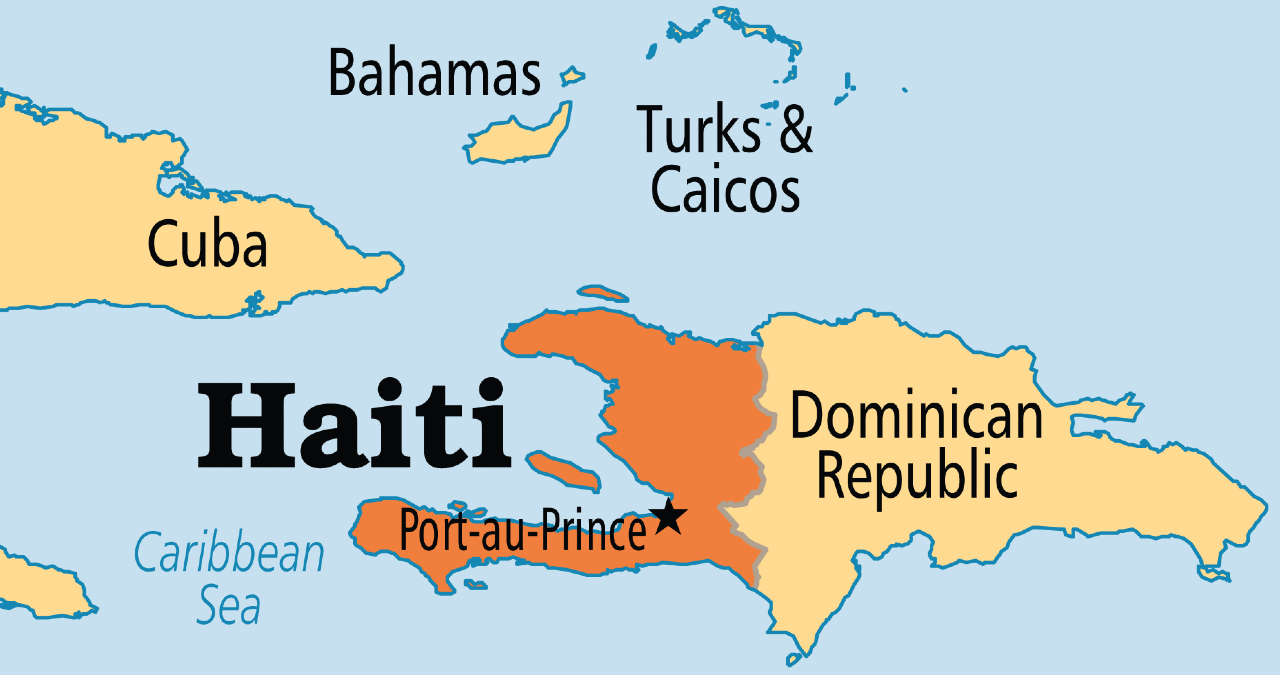
Haiti has cleared a major procedural hurdle on the path to its first presidential election since 2016, following the adoption of a long-awaited electoral law by the country’s Transitional Presidential Council (TPC) and Council of Ministers. The move marks a pivotal moment in Haiti’s turbulent political transition and could set the stage for restoring democratic governance after years of instability, violence, and institutional collapse.
Frinel Joseph, one of two observers on the TPC, announced the development Monday on X (formerly Twitter), hailing the adoption as a “decisive turning point in the transition.” The law now awaits publication in Haiti’s Moniteur, the official government gazette, to become legally effective.
Established in April 2024 amid spiraling gang violence and a near-total breakdown of state authority, the nine-member TPC was tasked with appointing a prime minister, forming an interim government, and steering the nation toward elections – currently slated for February 2026. Yet the road to the ballot box remains fraught with political maneuvering and deep institutional mistrust.
Notably, three of the council’s seven voting members boycotted Monday’s session, a move political analysts interpret as an attempt to block the law’s passage. Their absence appears tied to efforts by certain TPC factions to delay elections – and potentially extend their own influence – beyond the February 2026 deadline, while also seeking to oust Prime Minister Alix Didier Fils-Aimé.
Despite the boycott, the council pushed forward, underscoring the urgency many officials feel to reestablish legitimate governance. Haiti has not held a presidential vote since 2016, when Jovenel Moïse won a contested election with just 5.7 percent of eligible voters participating. Moïse was assassinated in July 2021 in a brazen attack at his private residence overlooking Port-au-Prince, leaving his wife wounded and the nation in chaos.
The electoral law’s adoption, however, does not guarantee smooth sailing. Human rights groups have sharply criticized a draft version circulated by Haiti’s Provisional Electoral Council for lacking robust eligibility safeguards and transparency measures.
Critics warn that without stronger protections, the process could be vulnerable to manipulation, fraud, or exclusion of key political voices.
Nevertheless, Joseph emphasized that the TPC and interim government are “providing the country with the necessary legal and political framework for holding elections that will allow citizens to choose their representatives in accordance with the constitution, democratic principles, and the Agreement of April 3, 2024” – a reference to the consensus pact that established the transitional authority.
International partners, including the United Nations, and the Caribbean Community (CARICOM), have welcomed the development as a necessary – if insufficient – step. But experts caution that credible elections will require far more than legislation: they demand improved security, a functioning judiciary, public trust, and broad-based political inclusion.
For now, Haiti has crossed a threshold. But whether it can move from legal formalities to genuine democratic renewal remains one of the Western Hemisphere’s most urgent – and uncertain – challenges.
