
News
Guyana Votes to Shape Future of Its Oil Wealth
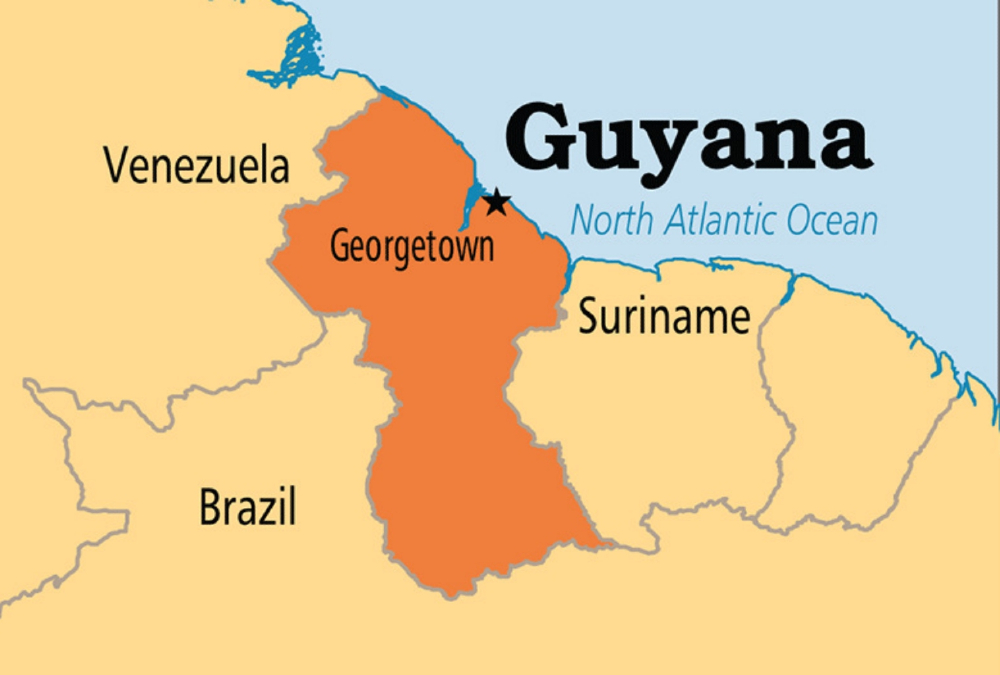
Voters across Guyana cast their ballots Monday in high-stakes general and regional elections that will determine who will steer the nation’s rapidly expanding oil economy.
The Guyana Elections Commission (GECOM) described election day as “smooth,” with 2,790 polling stations operating nationwide under the watch of 500 local and 200 international observers. Final results are expected by September 4.
With the country experiencing an oil boom that has transformed it into one of the world’s fastest-growing economies, the election has drawn intense national and international attention. Six political parties are vying for power, including the ruling People’s Progressive Party Civic (PPP/C) and the opposition coalition A Partnership for National Unity (APNU), alongside smaller parties such as We Invest in Nationhood (WIN), Alliance for Change (AFC), Forward Guyana Movement, and Assembly for Liberty and Prosperity (ALP).
Six candidates are contesting the presidency: incumbent President Irfaan Ali (PPP/C), Opposition Leader Aubrey Norton (APNU), attorney Nigel Hughes (AFC), Azruddin Mohamed (WIN), Amanza Walton-Desir (Forward Guyana Movement), and Simona Broomes (ALP).
In a press briefing, GECOM spokesperson Yolanda Ward urged the public to rely only on official results, warning against the spread of unverified or falsified election data on social media.
“Posting fake results is not only misleading but undermines public trust,” Ward said, emphasizing that only the Statement of Poll (SOP) posted on GECOM’s official website and declarations by returning officers and the Commission itself should be considered valid.
She condemned premature claims of victory, calling them “despicable” and potentially designed to manipulate public perception. “Any unauthorized release of results will be referred to the Guyana Police Force for investigation,” she added.
As votes are tallied, all eyes remain on GECOM’s official channels, where transparency and credibility are paramount in shaping the next chapter of Guyana’s democratic and economic future.
