
News
ECOWAS Faces Hurdles as 2027 Eco Currency Launch Deadline Nears
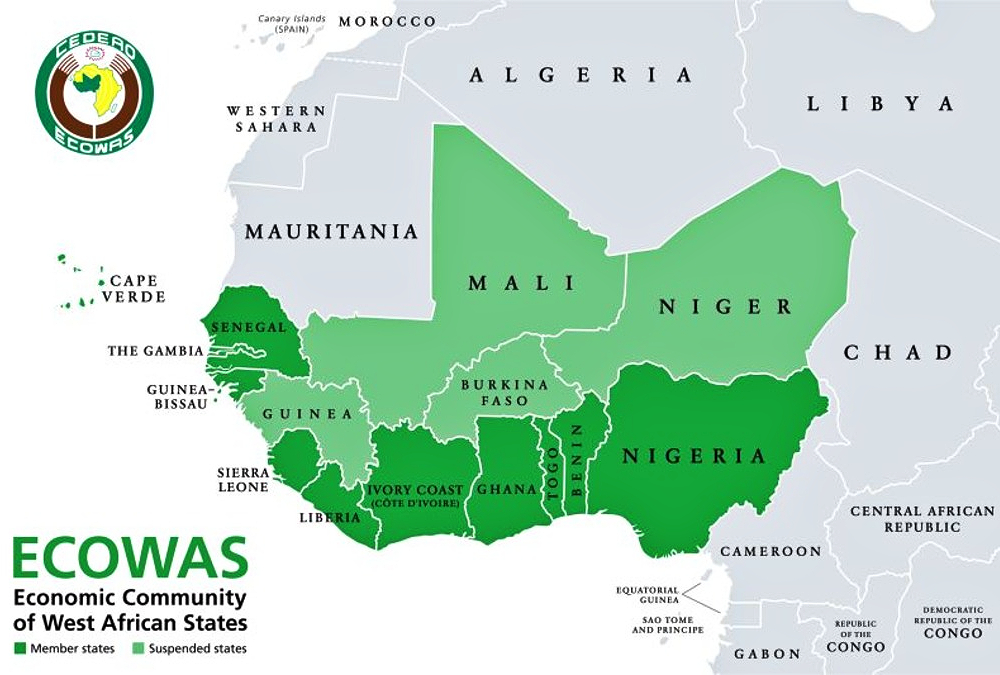
The Economic Community of West African States (ECOWAS) has reaffirmed its commitment to launch the single currency, the eco, by July 2027 – despite mounting challenges that cast doubt on the timeline.
The pledge was made during the Sahel Governance Forum in The Gambia, where regional leaders reiterated their vision of deeper economic integration through a unified currency. First adopted in 2019, the eco aims to boost trade, streamline cross-border transactions, and strengthen financial cohesion across West Africa.
But the path to monetary union remains fraught. Initial plans to roll out the eco in 2020 were derailed by economic imbalances among member states, fiscal instability, political unrest – including military coups in Burkina Faso, Mali, and Niger – and the global pandemic.
In January 2024, those three nations suspended their ECOWAS membership in protest of sanctions imposed after the coups, raising serious questions about the bloc’s unity and governance.
Adding pressure, key economies like Nigeria and Ghana have faced soaring inflation and rising public debt in recent years. Yet experts argue that Nigeria – West Africa’s largest economy – and relatively stable Ghana could play pivotal roles in anchoring the new currency’s launch.
“Nigeria provides the necessary economic weight,” said economist Daniel Akpeloo. “Ghana, despite recent challenges, offers policy stability. Gambia and Ivory Coast also meet convergence criteria and should be part of the initial phase.”
For the eco to succeed, analysts stress the need for a centralized monetary authority to coordinate interest rates, fiscal policies, and regulatory standards – mirroring the European Central Bank’s role in the eurozone.
“The euro’s success hinged on solidarity, with stronger economies supporting weaker ones,” Akpeloo noted. “We will need similar commitment from Nigeria and Ghana when smaller economies face crises.”
However, concerns persist. Some members fear that larger economies could dominate monetary decision-making, creating imbalances and fueling tensions within the bloc.
With just two years until the 2027 target, ECOWAS faces a critical window to rebuild trust, harmonize fiscal policies, and restore political cohesion. Whether the eco launches on time may depend less on economic models – and more on regional leadership, cooperation, and resolve.
