
News
South Africa: National Union of Metalworkers ends four-week work stoppage
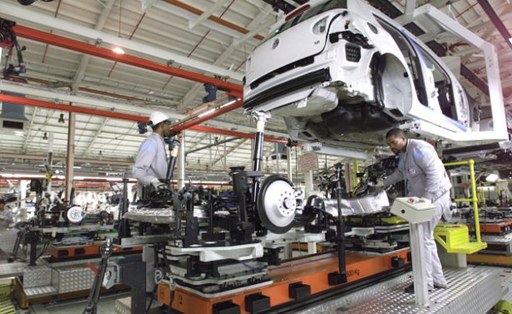
Some auto makers have been considering how much to invest in South Africa, where wage hikes have not been met by higher productivity, Germany’s BMW said last week it was no longer considering expanding production in South Africa because of the labor unrest.
NUMSA leadership dismissed the move as brinkmanship and said the German automaker must seek the union’s approval before trying to increase the size of its operations. “The blackmail by BMW is rejected with the contempt it deserves,” Jim said.
Labor unrest in mining and manufacturing has been cited as a factor by major credit global ratings in the past year when they downgraded South Africa’s rating. Economists have said a long-standing governing alliance between the ANC administration and the trade unions has led to labor-friendly legislation which has made the jobs market overly rigid and is eroding the country’s competitive edge.
Since 2000, real, after-inflation wages have risen 53 percent, while productivity has fallen by 41 percent, according to South African government data.
The central bank has been worried about the damage caused by labor unrest that has slowed production in mines and factories, especially after South Africa’s trade shortfall unexpectedly widened to ZAR 19.05 billion (US$1.90 billion) in August, the biggest gap in seven months.
The rand has also suffered, losing nearly 19 percent this year.
Workers at Anglo American Platinum (Amplats), the world’s top platinum producer, initiated work stoppage more than a week ago in protest to planned job cuts the company says it needs to return its operations to profit.
