
News
Mali: U.N. OKs military intervention by African Union to eject al-Qaeda from the north
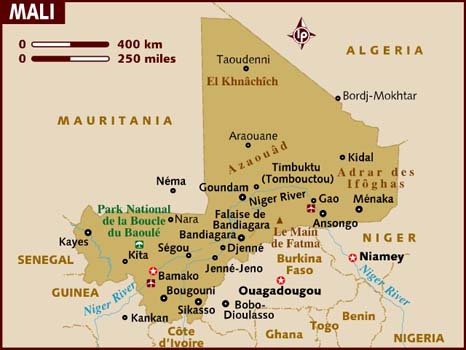
On November 13, the African Union asked the Security Council to endorse a military intervention to free northern Mali. The plan, agreed to by leaders of the West African bloc known as the Economic Community of West African States (ECOWAS), called for 3,300 soldiers to be deployed to Mali for an initial period of one year.
The resolution authorizes an African-led International Support Mission in Mali, to be known as AFISMA, for an initial period of one year but makes no mention of its size. It welcomes troop contributions pledged by ECOWAS and calls on member states, including from the neighboring Sahel region, to contribute troops to the mission. Council diplomats say the best-trained African troops in desert warfare are from Chad, Mauritania and Niger.
The U.N. resolution stresses the importance of reconciliation, urging the transitional authorities to finalize a transitional roadmap to restore constitutional order, including holding elections by April “or as soon as technically possible.”
The council asked the secretary-general to provide support in critical areas to help the Mali government extend its authority during or following a military operation, including in the rule of law, removing land mines and promoting national dialogue and regional cooperation.
The Security Council expressed its readiness to consider “appropriate measures,” which could include sanctions, against those whose actions undermine peace, stability and security, “including those who prevent the implementation of the constitutional order in Mali.” It also reiterated its readiness to impose additional targeted sanctions against rebel groups and individuals that don’t cut ties to al-Qaeda and its affiliates, including al-Qaeda in Islamic Maghreb and the Movement of Unity and Jihad in Western Africa.
The benchmarks the U.N. Security Council set before the start of military operations are:
— Political progress, including on the roadmap and negotiations between Malian authorities and all parties in the north who have cut ties to terrorist organizations.
