
News
Jamaicans Overwhelmingly Support Term Limits for Politicians, Poll Shows
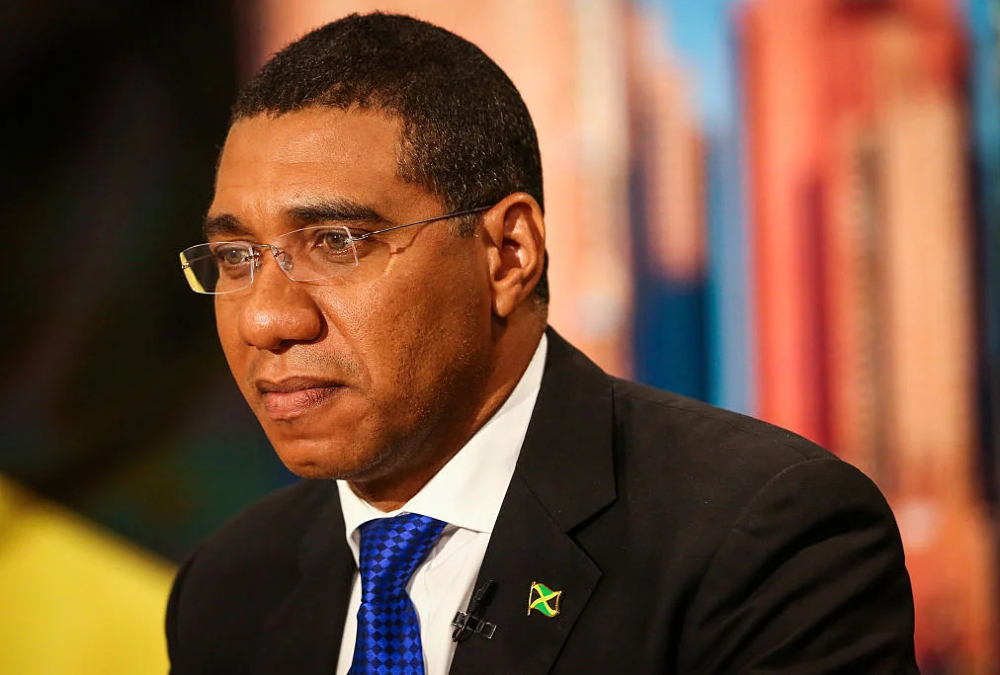
A new public opinion poll reveals strong support among Jamaicans for term limits across all levels of elected office – including the prime minister – as another general election approaches and the government remains silent on a long-standing campaign promise.
The Don Anderson poll, found that 76 percent of respondents back term limits for councillors and members of parliament (MPs), while 78 percent support limits on the prime minister’s tenure. Market Research Services CEO Anderson described the findings as reflecting a “broad national consensus,” with consistent support across age groups and genders.
Younger voters, particularly those aged 18–34, showed the strongest backing, though even two-thirds of those over 65 supported the idea.
The survey, conducted between May 18 and June 7 among 1,033 registered voters, has a margin of error of ±3 percent.
Prime Minister Andrew Holness, then leader of the opposition, pledged in February 2016 to introduce legislation for term limits within his first 100 days in office. That commitment was never fulfilled.
Now campaigning for a third consecutive term, Holness faces criticism from the Opposition People’s National Party (PNP), which calls the move a betrayal.
A previous September 2023 poll showed similar results, with 77.1 percent supporting term limits for the prime minister and 72 percent for MPs. A majority also believed two terms was reasonable for both offices.
Despite public sentiment, the Government’s Constitutional Reform Committee has not included term limits in its current agenda, and no legislation has been introduced. Holness has not addressed the issue on the campaign trail.
Political scientist Damion Gordon notes that while parliamentary democracies typically rely on regular elections rather than term limits, Jamaica’s appetite for reform reflects a global trend. In contrast, over 80 percent of presidential systems in Latin America and Africa have formal term limits.
Gordon cautions, however, that electoral accountability – the theory underpinning parliamentary systems – may not function effectively in Jamaica due to clientelism, partisan loyalty, and incumbency advantages. He argues that term limits could serve as a necessary safeguard against complacency and abuse of power, offering citizens a practical check on political authority.
“In contexts where institutions fall short,” Gordon writes, “term limits can reinvigorate democracy and strengthen electoral competition.”
