
Politics
Ghana’s Presidents says Ghana is Listening to the Business Community’s Needs
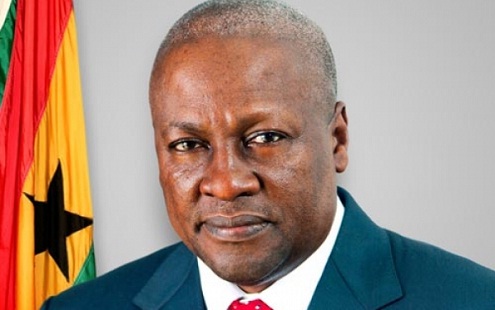
The list of the government’s priorities for reform is long, from improving the business environment to cutting deficits and expanding the provision of free secondary education
The Africa Report: You spoke of the country’s serious economic problems in your state of the nation address. What is your strategy and when is Ghana going to get out of these financial difficulties?
John Dramani Mahama: The major problems, the twins: budget and trade deficits, are due to several factors: the implementation of the single spine salary system which saw a ballooning of wages and salaries, and the delay in reducing subsidies on petroleum products and utilities. From the 2013 budget we’ve been implementing adjustments.
But 2014 is the first full year of adjustment measures: reducing subsidies on petroleum prices and utilities; increasing value-added tax by 2.5 percent; introducing the national stabilization levy and the special import levies; and also putting the brakes on wages. We’ve been in discussion with labour organisations to moderate the demands for wage increases. So the end of 2014 will be a better time to judge what progress we have made.
Many people are saying your new foreign exchange rules might exacerbate the problem by creating panic.
John Dramani Mahama: We went from one extreme in a command and control environment, where foreign exchange was strictly controlled and the Bank of Ghana set the exchange rates, to the other extreme where our foreign exchange rules were so lax that speculators took advantage of them. In line with best practice around the world, we’re putting in the necessary regulations to ensure people play by the rules. The initial reaction was panic but clarifications have gone out. All existing agreements on investments still hold. The free zone’s guidelines and regulations still hold, so I think the investor community is reassured.
Some of the government’s toughest critics are in business. When you convened meetings with the executives of these companies at Peduase Lodge, what did they want?
John Dramani Mahama: We held one meeting with the big companies such as the telecoms giants, then we had the small and medium-sized enterprises. Different issues were raised, but we had a very lively dialogue. They said we need strong public-sector reform to make the public service more client-friendly in terms of the private sector.
A lot of complaints came about the revenue authorities and the speed with which they process tax refunds and duty exemptions. I think we have a major challenge there and that ran through all the three categories of companies that I met with. There were complaints about slowness of business registration, the Investment Promotion Centre and how we could make its services better. There was a major complaint about the length of time it takes to clear things from the port, the congestion in the port and illegal fees collected by various agencies in the port. It was a very, very comprehensive discussion.
