
Politics
Ghana’s Presidents says Ghana is Listening to the Business Community’s Needs
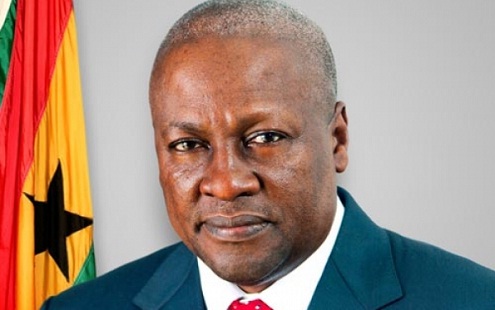
You have launched the Made in Ghana campaign. Do you have a time frame for Ghana-made products to replace imports?
John Dramani Mahama: I cannot produce enough rice with a click of a finger to make Ghana self-sufficient. There is no reason why we have hectares of arable land good for rice growing and yet we have to import $400m worth of rice every year. We have land for sugarcane, yet import nearly $200m worth of sugar a year. We’re going to target seven crops and if we put in the right investment we should reduce drastically the billions we spend importing these items.
You are also promising free and universal secondary education. That was the policy of your opponents in the last election. Your party said it was impractical. What has changed?
John Dramani Mahama: We’re all on the same side and I think that it’s just the pettiness of our politics that makes us look like we were singing from different hymn sheets. The basic vision for secondary education is in our constitution, which says that we shall make it available to all children and that we shall make it progressively free. It’s just how it should be achieved that was the difference [between the parties]. Our intention is between now and 2016 to build 200 community-based schools across the country. Ours is a package that had to do with affordability but also with access and quality.
As public finances tighten, people are getting more concerned about losses to the state treasury. What are you doing to stop corruption and mismanagement?
John Dramani Mahama: The national anti-corruption action plan was spearheaded by the Commission on Human Rights and Administrative Justice. The thrust of the plan is to make us look at corruption in a more systemic manner, not in the ad hoc and anecdotal manner we have done in the past. That plan is currently with parliament. The anti-corruption institutions will be be more independent and track corruption in a more aggressive manner. [The plan] also promotes transparency in government procurement. It also has accompanying legislation, like the right-to-information bill and an amendment to the whistleblowers bill.
Do you know how much these losses to public finances cost each year?
John Dramani Mahama: If you take the auditor general’s report alone then it appears that government losses – if you include misappropriations and lack of due diligence – are about ¢1.5 billion ($580 million) a year.
