
News
Election 2012: Obama using tax proposals for his message
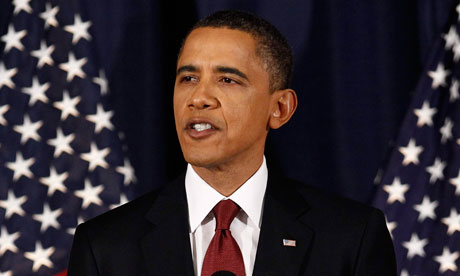
The president proposed ending tax breaks for U.S. companies moving jobs or profits to foreign countries and creating a minimum tax on their overseas profits. He also suggested new tax breaks for businesses that move jobs back to the U.S., for domestic manufacturing and for companies that invest in towns that have suffered major job losses.
Getting most attention was his plan to tax incomes above US$1 million annually at a rate of at least 30 percent. That’s a sharp and convenient contrast with the 15 percent tax rate enjoyed by former Massachusetts Gov. Mitt Romney, a leading contender for the Republican presidential nomination, who earned about US$21 million each of the past two years.
The proposals quickly became fodder for the GOP presidential contenders. Romney said the next day on CNBC’s “Kudlow Report” that Obama’s plan was “designed to come at me if I’m the nominee,” and former House Speaker Newt Gingrich said during last Thursday’s presidential debate, “His proposal on taxes would make the economy worse.”
Democrats immediately made clear that there will be Senate votes this year on the subject.
New York Senator Charles Schumer, part of the Senate Democratic leadership, said he was relishing a push on “some kind of Romney rule, I mean Buffett rule.” Obama has embraced a Buffett rule, named for billionaire Warren Buffett, who has cited the inequity of laws that let him pay a lower tax rate than his secretary.
Such proposals, along with any efforts to deny tax breaks to U.S. companies that outsource jobs and profits, would never get the 60 votes they would need to prevail in the Senate this year, let alone win approval from the GOP-run House.
“If the president has proposals that will help create jobs, we’ll take a look,” said Michael Steel, spokesman for House Speaker John Boehner, R-Ohio. “But tax hikes on small businesses will make it even harder for them to invest and grow.”
