
Politics
Voter ID law in Wisconsin on trial in federal court
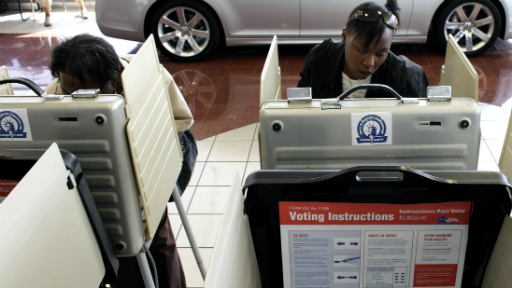
African American voters. PHOTO/File
(Reuters) – A Wisconsin state law requiring voters to present photo identification went on trial in federal court on Monday, with critics arguing that the law would discourage African American and Latino residents from casting ballots, while supporters said it would prevent fraud.
Both sides presented often-stated arguments in the latest federal trial over a state law which requires government-issued identification before voting. Such laws, passed by some three dozen states, have become a political and racial flashpoint across the United States. Democrats generally oppose the measures and many Republicans back them.
The trial in Milwaukee combines two federal lawsuits filed on behalf of dozens of individual voters against a law passed in 2011 by a Republican-controlled legislature. The lawsuits accuse Wisconsin of violating the U.S. Constitution and the 1965 Voting Rights Act, which bars voting practices that discriminate based on race.
The Supreme Court ruled in July that a key part of the Voting Rights Act is outdated: the provision requiring states with a history of denying voting rights to minorities, mainly in the South, to get federal approval for changes. That part does not apply to Wisconsin, which does not have such a history.
During opening statements, attorney John Ulin told the court the voter ID law in Wisconsin is an attempt to suppress African American and Latino voters, who are less likely than whites to have necessary identification.
The law “sends an unmistakable message to minority voters that the state of Wisconsin is willing to sacrifice their votes in the interest of preventing fraud,” said Ulin, an attorney with Arnold & Porter, which helped bring the case to court with the Advancement Project, a voting rights organization.
Supporters say the laws prevent voter fraud by requiring would-be voters to prove that they are citizens and are registered to vote.
