
News
Trinidad & Tobago remains split on the matter of full membership in Caribbean Court of Justice
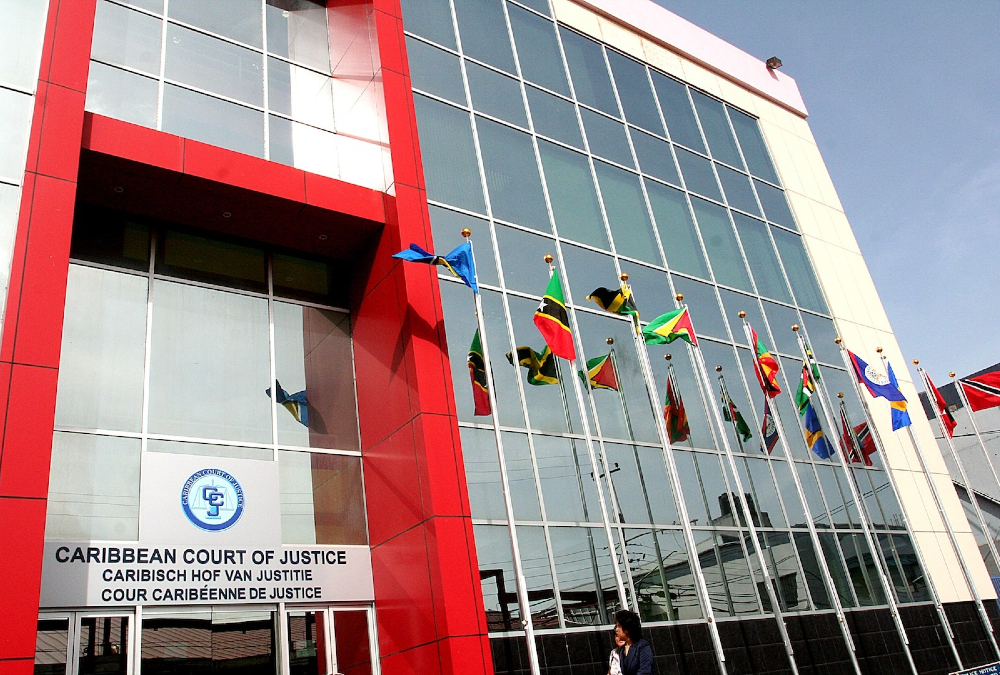
Trinidad & Tobago continues to grapple with the question of whether it should embrace full membership in the Caribbean Court of Justice (CCJ), with divergent opinions prevailing. Notably, a prominent group of lawyers advocates for a referendum to settle the matter definitively.
Although headquartered in Port of Spain, Trinidad & Tobago, the country, along with several other Caribbean Community (CARICOM) nations, is only a signatory to the Original Jurisdiction of the CCJ. Established in 2001 to supplant the London-based Privy Council as the region’s apex court, the CCJ also serves as an international tribunal for interpreting the Revised Treaty of Chaguaramas, which guides the regional integration efforts among its 15 member states.
Currently, Barbados, Belize, Dominica, and Guyana stand as the sole full members of the court, enjoying both its Original and Appellate jurisdictions.
Past governmental stances on the matter also reflect the nation’s ambivalence. Former Prime Minister Kamla Persad Bissessar expressed intentions to transition criminal appeals from the Privy Council to the CCJ, citing a symbolic step toward national sovereignty. However, despite such aspirations, Trinidad & Tobago remained hesitant to fully commit to the CCJ during her tenure.
Prime Minister Keith Rowley echoed frustrations over the country’s hesitancy to embrace full CCJ membership, despite its role as the court’s host nation. He criticized the lingering reliance on the Privy Council and the perceived deference to British authority in judicial matters.
Notably, Trinidad & Tobago necessitates a special parliamentary majority to sever ties with the Privy Council, a move contingent on navigating political dynamics within the ruling People’s National Movement (PNM).
In summary, Trinidad & Tobago grapples with the decision of whether to fully embrace the Caribbean Court of Justice, with divergent viewpoints reflecting broader concerns over sovereignty, judicial efficacy, and political dynamics.
