
News
Stop and Frisk: Court decision pending on whether changes to police policy are needed
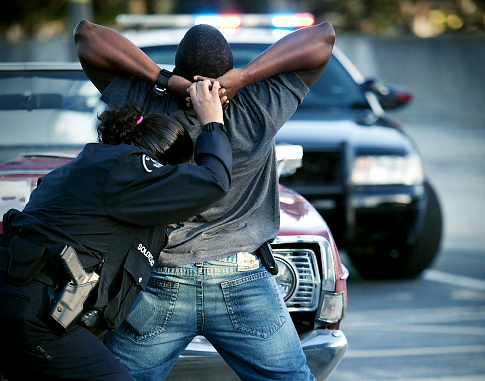
In their testimony, many of the officers who stopped the dozen witnesses spoke of dangerous crime patterns, crime suspect descriptions and observations they made while on patrol that led them to use the tactic. City attorney Heidi Grossman said those clear explanations for many of the stops – none were solely based on race – prove officers were not profiling.
“They failed to show a single constitutional violation, much less a widespread pattern or practice,” she said of the plaintiffs, adding there was “no indication of racial motivation whatsoever.”
Grossman said the witnesses in the class-action case had faulty memories and were “woefully lacking” considering that lawyers had years to find the best examples of people who said they were stopped because of their race.
“The alleged complaints of racial profiling are more fiction than reality,” she said. “It is not the New York Police Department’s policy to target black and Hispanic youth to instill fear in them so they feel they can be stopped at any time.”
Scheindlin is not being asked to ban the tactic because it has already been found to be legal. She has been asked to order changes in how stop-and-frisk is implemented. She has already said the profiling accusations are troubling. She gave no time frame on when to expect her ruling.
On Monday, the judge played devil’s advocate, interrupting both sides to ask questions. She asked the plaintiffs, for example, if most of the crimes were committed by minorities, why would it be a surprise that those stopped were mostly minorities. She asked city lawyers whether the argument that crime suspects are mostly minorities then leads to profiling by police.
She even raised the possibility of ordering the New York Police Department to make officers wear cameras to help dispel discrepancies between encounters. Neither side had suggested body-worn cameras as a potential fix, but a policing expert who testified made passing reference to it as being useful in another city.
