
News
Senegal Charts a Bold Path Toward Economic Sovereignty, Eyes Exit from France-Backed CFA Franc
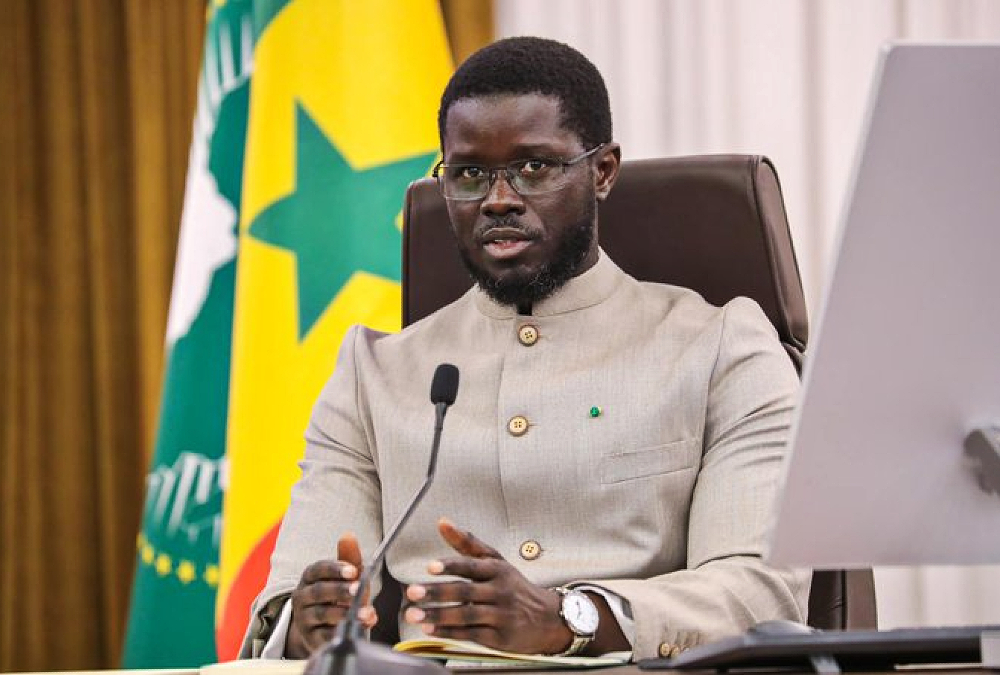
In a decisive move toward full economic independence, Senegal has announced its intention to exit the France-backed CFA franc monetary union. Aminata Toure, high representative to President Bassirou Diomaye Faye, underscored this commitment as part of the nation’s broader decolonization agenda.
“The CFA franc will soon be relegated to the history books,” Toure declared. “It no longer aligns with the ambitions and aspirations of our economies.”
Introduced by France in 1945, the CFA franc is currently used by 14 French-speaking nations across sub-Saharan Africa. For decades, critics have decried the currency as a colonial vestige, accusing it of enabling Paris to maintain undue influence over the economic policies and governance of member states.
Now, Senegal is spearheading efforts to break free from this legacy.
Toward a New Currency: The Eco
The West African regional bloc ECOWAS is actively exploring alternatives to the CFA franc, with plans to introduce a new common currency called the Eco. Designed to foster greater economic integration and self-reliance among member states, the Eco is slated for adoption by 2027.
However, its rollout has faced repeated delays due to challenges in meeting the convergence criteria established by the West African Monetary Institute.
President Faye, who assumed office exactly one year ago, has championed radical economic reforms aimed at reclaiming sovereignty over Senegal’s key industries and promoting regional peace. His administration has already begun reviewing contracts negotiated by the previous government with foreign partners, signaling a shift toward more transparent and equitable international agreements.
Redefining Defense Relations
Parallel to its economic reforms, Senegal is also reassessing its defense ties with France. In a significant development, Dakar has adopted a firm stance on the presence of French troops within its borders, mandating their withdrawal by September.
This decision aligns with a growing trend among former French colonies in Africa to sever longstanding defense partnerships with Paris.
Commenting on the troop withdrawal, Toure remarked, “This marks a return to normalcy for Senegal. The continued presence of foreign troops is an anomaly in today’s world.
It’s time to turn the page on that chapter of history.”
Expanding Global Partnerships
As Senegal moves to diversify its international alliances, the country is increasingly looking beyond traditional Western partnerships. Toure highlighted Senegal’s interest in strengthening ties with emerging global powers, particularly within the BRICS group (Brazil, Russia, India, China, and South Africa).
“The BRICS nations are living proof that poverty can be eradicated within a reasonable timeframe – not over centuries,” she explained. “Their success demonstrates that we too can achieve rapid development by forging strategic partnerships with like-minded countries.”
A Vision for the Future
Senegal’s bold steps to exit the CFA franc, introduce the Eco, and redefine its global relationships reflect a nation determined to chart its own course. Under President Faye’s leadership, the country is embracing a future rooted in economic sovereignty, regional cooperation, and diversified partnerships.
As the nation prepares to bid farewell to the CFA franc and welcome a new era of independence, all eyes are on Senegal to see how its transformative policies will reshape not only its own destiny but also inspire other African nations striving for self-determination.
With these sweeping reforms, Senegal is poised to emerge as a trailblazer in the continent’s ongoing journey toward true liberation from colonial legacies.
