
News
Renown Kenyan scholar Calestous Juma passes on
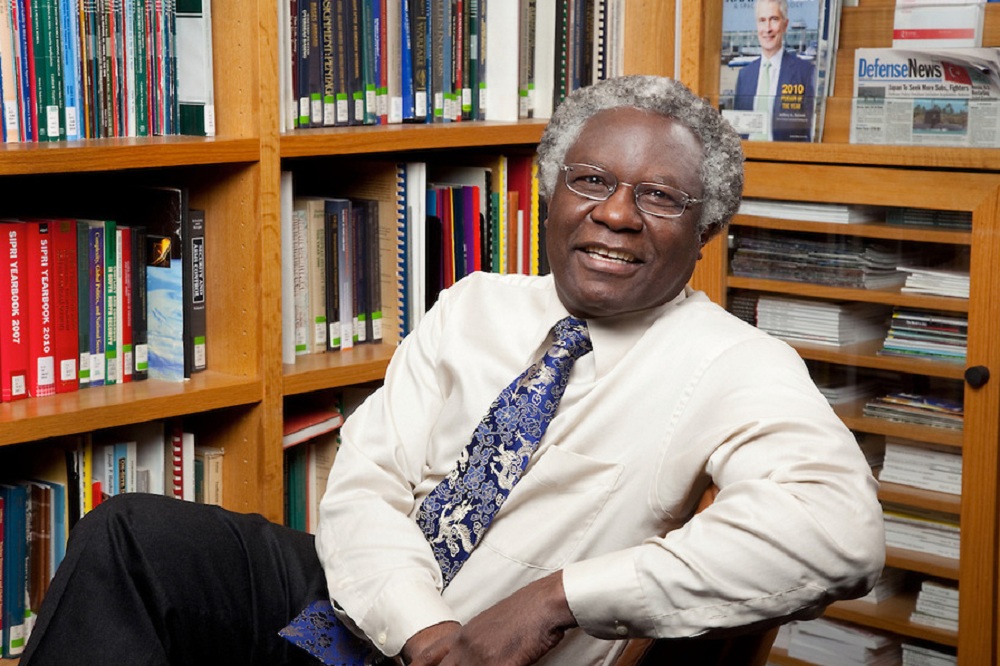
Kenyan scholar Calestous Juma, who was in June this year named as one of the most reputable people in the world, died late last week.
He died while undergoing treatment.
Juma, who until his death was teaching at Harvard University, was the only Kenyan to be listed in the inaugural list of “2017 Most Reputable People on Earth”.
The list compiled by South African consulting company Reputation Polls has 100 individuals who have “amassed high reputation for themselves through the works they have been engaged in”.
Juma was one of the most sought after experts in the field of application of science, technology and innovation to sustainable development in developing and developed countries. He was a public intellectual, very prolific in social media, frequently sharing his writings on Twitter.
In 2012, 2013 and 2014 he had been listed among the most influential 100 Africans by the New African magazine.
The Kenyan scholar began his career as a science teacher in Kenya’s coastal city of Mombasa between 1974 and 1978 before becoming the first science and environment journalist for the Daily Nation newspaper between 1978 and 1979.
He later started his own magazine, Ecoforum.
With a doctorate in science and technology policy studies from Sussex University in the U.K., Juma received international recognition for his work on technological innovation, genetic patenting, and the impact of the Green Revolution in Africa. As part of his work, he sat on the jury of prestigious awards including the Queen Elizabeth Prize for Engineering, the Africa Prize for Engineering Innovation, and the Africa Food Prize.
As ascholar, he was a prolific author. He wrote and co-wrote books and papers in diverse fields ranging from the environment and private property, to agricultural innovation in Africa, and cloning. His last book, Innovation and its Enemies, drew on 600 years of economic history to explain some of the hindrances and psychological biases that have made or broken technological adoption.
At the time of his passing, he was teaching graduate courses on science, technology and development policy and biotechnology at Harvard University.
