
Politics
President Obama warning of ‘self-inflicted wound’ to U.S. economy
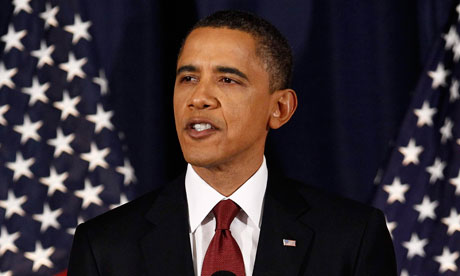
Political calculations mattered as much as deep-seated differences over the issues, as divided government struggled with its first big challenge since the November elections.
Republican Speaker Boehner stays at arm’s-length
Speaker John Boehner remained at arm’s-length, juggling a desire to avoid the fiscal cliff with his goal of winning another term as speaker when a new Congress convenes next Thursday. Any compromise legislation is certain to include higher tax rates on the wealthy, and the House Republican rank and file rejected the idea when he presented it to them as part of a final attempt to strike a more sweeping agreement with Obama.
Lawmakers have until the new Congress convenes to pass any compromise, and even the calendar mattered. Democrats said they had been told House Republicans might reject a deal until after January 1, to avoid a vote to raise taxes before they had technically gone up and then vote to cut taxes after they had risen.
Nor was any taxpayer likely to feel any adverse impact if legislation is signed and passed into law in the first two or three days of 2013 instead of the final hours of 2012.
Gone was the talk of a grand bargain of spending cuts and additional tax revenue in which the two parties would agree to slash deficits by trillions of dollars over a decade.
Now negotiators had a more cramped goal of preventing additional damage to the economy in the form of higher taxes across the board — with some families facing increases measured in the thousands of dollars — as well as cuts aimed at the Pentagon and hundreds of domestic programs.
