
Politics
Obama bans spying on leaders of U.S. allies, proposes new limits on NSA phone collections program
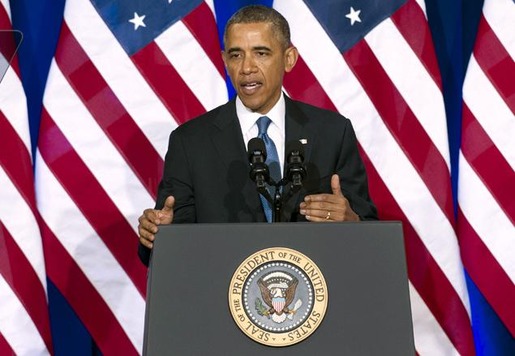
U.S. President Barack Obama addressing the nation about NSA surveillance techniques, January 17, 2014. PHOTO/Saul Loeb/AFP/Getty Images
(Reuters) – U.S. President Barack Obama banned U.S. eavesdropping on the leaders of close friends and allies on Friday and began reining in the vast collection of Americans’ phone data in a series of reforms triggered by Edward Snowden’s revelations.
In a major speech, Obama took steps to reassure Americans and foreigners alike that the United States will take into account privacy concerns highlighted by former spy contractor Snowden’s damaging disclosures about the sweep of monitoring activities of the National Security Agency (NSA).
“The reforms I’m proposing today should give the American people greater confidence that their rights are being protected, even as our intelligence and law enforcement agencies maintain the tools they need to keep us safe,” he said.
While the address was designed to fend off concerns that U.S. surveillance has gone too far, Obama’s measures were relatively limited.
Even as the White House put the final touches on the reform plan this week, media outlets reported that the NSA gathers nearly 200 million text messages a day from around the world and has put software in almost 100,000 computers allowing it to spy on those devices.
Obama promised that the United States will not eavesdrop on the heads of state or government of close U.S. friends and allies. A senior administration official said that would apply to dozens of leaders.
The step was designed to smooth over frayed relations between, for example, the United States and Germany after reports surfaced last year that the NSA had monitored the mobile phone of German Chancellor Angela Merkel.
