
Politics
Kenya and Uganda in a race to become East Africa’s first oil producer?
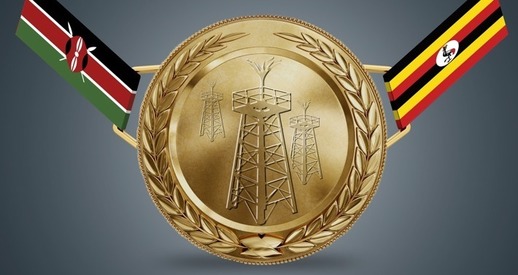
The race is on between Uganda and Kenya to see which will emerge as the region’s first oil producer. With the Ugandan government estimating reserves of about 3.5 billion barrels and the UK’s Tullow Oil announcing that last year’s discoveries amounted to 600 million barrels in northern Kenya, both countries are keen to press ahead with production and the promise that holds for increased revenues and national development.
Yet a number of issues stand in the way of realizing the potential of what Tullow Oil has called “an emerging powerhouse in future global oil supply markets”. The most obvious is that there is no means of exporting oil from the two inland basins; South Lokichar in the Lake Turkana region of Kenya and the Albertine Graben on the shores of Lake Albert in Uganda.
East African Community (EAC) leaders have agreed in principle to support Uganda’s plans to build a refinery with a capacity of 30,000 barrels per day at Hoima, which would serve regional markets. Uganda believes this can create jobs and offer cheaper fuel for domestic consumption. “Our national oil and gas policy states that we want to use the country’s resources to contribute to the early achievement of poverty eradication,” said Gloria Sebikari, senior communications officer at the ministry of energy and mineral development on the shores of Lake Victoria in Entebbe.
However, international oil companies have stressed the importance of building an export pipeline concurrently, probably joining up the Albertine and Turkana deposits and then continuing to the Kenyan coast at Lamu. “An export pipeline is vital as it underpins the economic viability of the whole project including the refinery,” said George Cazenove, spokesman for Tullow Oil in London.
Although the Kenyan government has expressed hope that it could begin oil production by 2016, a decision on the pipeline could take some time, not least because of the prohibitive cost, an estimated $4 billion (£2.3 billion), that one of the countries would have to bear if they chose to go it alone. Getting the oil projects started has also been delayed by each country setting up legal frameworks to govern, and writing policies to ensure that oil wealth is captured and put towards national development.
In Uganda, a third piece of oil legislation, the public finance bill, is being debated by parliament. It proposes a separate government account in which oil revenues should be deposited, which would be put towards general state investment priorities. But the government has abandoned the idea of civil society monitoring the spending of revenues, a concept that is popular with several international bodies including the Revenue Watch Institute.
