
News
Jamaica Remains Resilient Amid U.S.-China Tariff Tensions, Says Minister
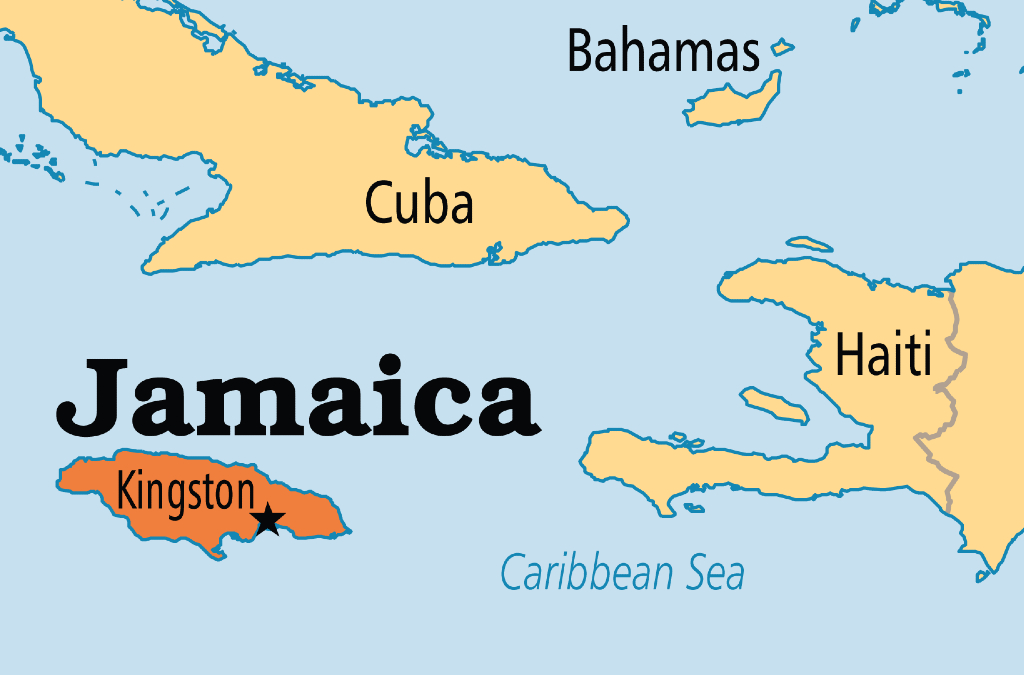
As the global economic landscape braces for the ripple effects of escalating tariff disputes between the United States and China, Jamaica appears to be in a relatively stable position – for now. At a recent post-Cabinet press briefing on Wednesday, April 9, Minister of Industry, Investment and Commerce, Aubyn Hill, reassured the nation that Jamaica is not immediately caught in the crossfire of this high-stakes trade battle.
However, he emphasized the importance of vigilance and adaptability in navigating an increasingly uncertain global market.
The tensions stem from a sweeping tariff plan announced by U.S. President Donald Trump, which imposes a 10 percent baseline duty on nearly all imports entering the U.S., coupled with a staggering 125 percent hike specifically targeting Chinese goods. While more than 75 trading partners have been granted a 90-day reprieve, China remains notably excluded from this temporary relief.
For Jamaica, the immediate impact of these measures is minimal, but the long-term implications could depend heavily on the status of key trade agreements like the Caribbean Basin Initiative (CBI).
Vigilance in Uncertain Times
Hill underscored the need for Jamaica to remain “very aware and nimble” as the situation unfolds. The Ministry of Foreign Affairs and Foreign Trade is currently reviewing documentation to determine whether the CBI will continue to provide preferential access to the U.S. market – a critical factor for Jamaican exports.
“The CBI, we are not clear yet; we don’t have the documentation that tells us yes, the CBI is going to continue… or no, CBI has gone away and across the board the 10 percent tariff [will apply],” He explained. Should the CBI lose its preferential status, Jamaica would face new challenges—but also opportunities to leverage its competitive advantages.
“If that happens, we then have to say, ‘who else is in the 10 percent category’… and for those in that 10 percent category, do they sell the same stuff that we sell to the United States?” he said. “Some may, but they may be located in Africa or Asia; we then have clearly a competitive advantage based on geographic location.”
Legacy of Resilience
Over the past decade, Jamaica has demonstrated remarkable adaptability, overcoming challenges such as the global pandemic without resorting to tax hikes or excessive borrowing.
“We then must find the ways, which is what we as Jamaicans have done in the past 10 years,” he said. “We have been able to overcome the pandemic; we didn’t raise taxes; we didn’t borrow any more money to do it and, in fact, we’ve had, through that entire period of time, 10 consecutive budgets without any raising of taxes.”
This steadfast approach to fiscal responsibility and innovation has positioned Jamaica well to tackle future uncertainties. However, the Minister stressed that the government’s strategy remains firmly rooted in safeguarding the interests of Jamaicans amid shifting global dynamics.
Strategic Preparedness
While the current tariff dispute may not pose an immediate threat to Jamaica, Minister Hill’s remarks serve as a timely reminder of the interconnected nature of global trade. Even nations on the periphery of major economic conflicts must remain proactive in assessing risks and opportunities.
For Jamaica, this means closely monitoring developments surrounding the CBI, evaluating competition within the 10 percent tariff bracket, and leveraging its geographic proximity to the U.S. market.
In an era defined by unpredictability, Jamaica’s leadership is committed to ensuring that the nation remains agile and forward-thinking. By balancing caution with confidence, the government aims to shield its economy from external shocks while capitalizing on its unique strengths.
As the world watches how the U.S.-China tariff saga unfolds, Jamaica stands ready to adapt, innovate, and thrive – proving once again that resilience is at the heart of its national identity.
