
Politics
Ghana’s economy grew 5.5 percent in 2013 according to IMF
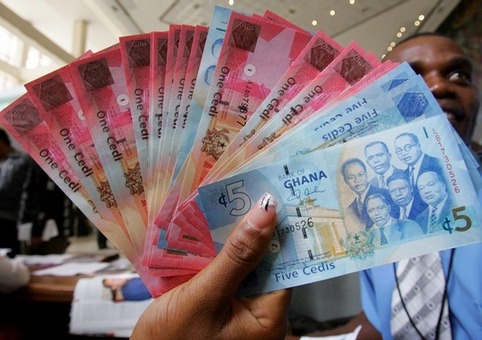
Ghana’s economy grew 5.5 percent in 2013, less than the 8 percent targeted by the government, the International Monetary Fund said on Wednesday. The 2013 fiscal deficit rose to 10.9 percent of gross domestic product on revenue shortfalls, wage overruns and rising interest costs, the Fund said in a statement at the end of a mission visit.
That figure is higher than the government’s revised target of 10.8 percent and the Fund also said the government’s 2014 deficit target of 8.5 percent of GDP was at risk. The West African nation, which exports gold, oil and cocoa, saw one of the fastest growth rates on the continent in 2011 after it began pumping oil but has missed fiscal targets since 2012, when its deficit jumped to 11.8 percent of GDP.
The Fund called for urgent measures to address the macroeconomic imbalances, saying the weakening growth and inflationary pressures could continue into 2014. “The large fiscal deficit, combined with a weaker external environment, led to a widening of the current account deficit to 13 percent of GDP and to further pressure on international reserves,” the Fund said.
Ghana’s year-on-year consumer inflation rose to a fresh three-year high of 13.8 percent in January, fuelled by a persistent decline in the local cedi currency. The cedi has depreciated nearly 8 percent this year, prompting measures to stabilise it earlier this month.
Meanwhile, IMF resident representative Samir Jahjar told a news conference on Thursday that Ghana’s economy will grow at 4.8 percent in 2014. The figure is substantially lower than the 8 percent 2014 growth announced in November’s budget by Finance Minister Seth Terkper. It is also lower than the 5.5 percent growth the IMF said Ghana recorded last year. The IMF said that non-oil growth would stand at 4.5 percent in the same period.
Copyright The Africa Report 2014
