
Politics
Gabon starts talks on massive Belinga iron ore mining
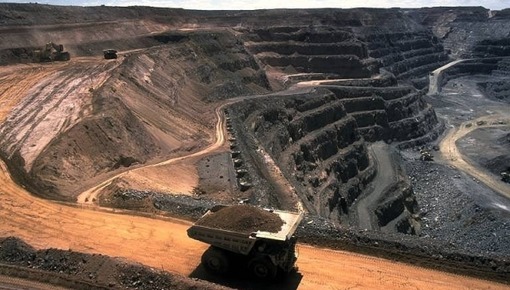
Gabon has opened initial talks with companies to develop the 1 billion ton Belinga iron ore deposit and will launch a formal tender process in 2016, the chief executive of the state mining firm advised. Belinga is one of the world’s largest untapped reserves of iron ore, but exporting the ore will not be easy because the deposit is separated from Gabon’s Atlantic coast by hundreds of kilometres of dense rainforest.
As in the case of Guinea, which has the huge Simandou iron ore deposit, the reserves have remained in the ground much longer than intended because of a dispute with the former permit holder, China’s Comibel. The dispute was settled in November last year, and Gabon said it agreed to pay Comibel’s expenses.
Gabon’s government has commissioned a study of the site to confirm its potential, which some people in the government say could contain much more than the official 1 billion tonne estimate. Iron ore prices have dropped in the last two years, however, which has cooled mining companies’ interest in developing big, risky, greenfield projects.
“The final announcement (on the study) will be made in 2016, and this is when we start the process to auction the asset out. But in the meantime, we are having conversations with serious parties who are interested,” Societe Equatoriale des Mines (SEM) CEO Fabrice Nze-Bekale said in an interview, without naming the parties.
Mines Minister Regis Immongault Tatagani said last week that the government aimed for exploitation to begin in 2024 or 2025. He confirmed that it was committed to exporting the iron ore via a railway line to Gabon’s new deep-sea port at Port-Gentil. “There will be a sharing option, which means that other companies can use the same infrastructure to export their commodities,” the minister told reporters, referring to companies operating in neighboring Cameroon and Equatorial Guinea, which are also rich in minerals.
SEM, created in 2011 by presidential decree, will automatically have a minimum 10 percent stake in the Belinga project, as stipulated under a new mining code passed by the Senate and due to be sent to Parliament this week. “The state has the right, free of charge, to be a shareholder in every company holding a mining permit, and that stake cannot be diluted,” according to a draft copy of the law. It also said firms must start work within three years after allocation of a licence, or it will be revoked.
Nze-Bekale, formerly an investment banker at Standard Bank, said he planned to increase SEM’s role in Belinga to 35 percent and would seek bank loans and tap capital markets to fund purchases beyond the 10 percent allocation. He went on to say, “It would be very easy just to take money from the public treasury and inject it. Our mandate is to minimize the capital injection from the state.”
