
News
Gabon Exits EU Fisheries Agreement After Two Decades, Citing Sovereignty and Economic Interests
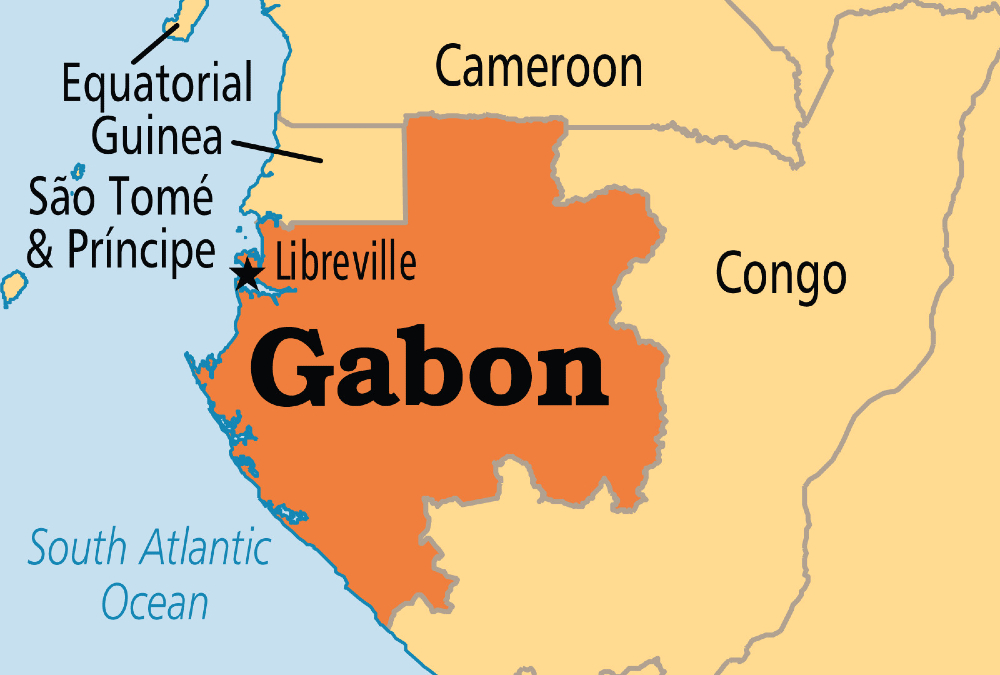
Gabon has announced its decision to withdraw from an 18-year-old fisheries partnership with the European Union, citing unequal benefits and concerns over the overexploitation of marine resources. The move marks a significant shift in the West African nation’s approach to international resource agreements and underscores a growing trend of African countries re-evaluating economic partnerships with foreign powers.
Signed in 2007, the agreement allowed EU fishing vessels access to Gabonese waters in exchange for financial contributions intended to support the development of the country’s fisheries sector. However, Gabon now claims that the arrangement has disproportionately favored European fleets, with minimal returns for the local economy or environment.
President Brice Oligui Nguema described the pact as “lopsided,” emphasizing that Gabon has seen scant economic benefit despite years of allowing foreign vessels to fish in its territorial waters.
The government has also raised concerns about the lack of tangible outcomes promised under the agreement – such as job creation, industrial investment, and infrastructure development. Of particular concern is the fact that most of the catch taken under the agreement is shipped directly to Europe without being landed or processed in Gabon.
Officials argue this practice has stifled opportunities to develop a domestic fish-processing industry and deprived the country of valuable employment prospects.
In a formal statement, the Gabonese government declared its intent to reclaim control over its marine resources to ensure they serve national interests. “The government of the Republic of Gabon intends to take back control of its resources and ensure that its fisheries sector benefits the national economy,” part of the statement read, as quoted by African News.
It further stressed that local economic value must be prioritized over external profit.
Environmental sustainability was another key factor behind the decision. Gabon expressed alarm over the potential depletion of its marine ecosystem, warning that the current arrangement undermines its efforts toward responsible and sustainable resource management.
The European Union responded to the announcement with surprise but affirmed Gabon’s sovereign right to withdraw from the agreement. In a statement, Brussels said it remains open to continued dialogue and possible renegotiation with Libreville.
This decision reflects a broader recalibration in Gabon’s resource governance strategy, as the country seeks to assert greater sovereignty over its natural wealth and advance economic self-reliance.
Gabon’s exit from the EU fisheries accord represents a pivotal moment in Africa-Europe relations and may encourage other nations to reassess similar arrangements. As more African governments demand fairer terms and greater control over their resources, such shifts could reshape the future of international cooperation in fisheries and beyond.
